
What Questions to ask when Researching Annuities

Jason Stolz CLTC, CRPC
When researching annuities, one of the most important steps is asking the right questions before purchasing a contract. Annuities can be powerful retirement tools, but they must align with your retirement timeline, income needs, and financial goals. Understanding what to ask helps ensure that you select an annuity designed for your situation rather than simply choosing the first product you encounter. Whether you are comparing immediate income annuities, fixed annuities, or indexed annuities, asking thoughtful questions can clarify how the contract works and how it will support your long-term financial security.
Retirement planning today looks very different from the pension systems many previous generations relied on. Instead of receiving guaranteed income from employers, most retirees now build their own income systems using savings, Social Security benefits, and financial tools such as annuities. If you are exploring strategies similar to pension alternatives, understanding the right questions to ask about annuities can help you determine whether these contracts belong in your retirement strategy.
Before purchasing any annuity, it is helpful to step back and evaluate your financial objectives. Asking the right questions early in the process allows you to compare annuity options, evaluate contract features, and determine whether the product fits within your overall retirement income plan. A thoughtful approach can help you avoid surprises later and ensure the annuity you choose supports your retirement lifestyle for many years to come.
Compare Today’s Best Annuity Options
What are my retirement goals?
Your retirement goals form the foundation of every financial decision you make, including whether an annuity belongs in your strategy. Retirement means different things to different people. Some individuals envision extensive travel, relocating to a new state, or purchasing a second home. Others hope to spend more time with family, volunteer in their communities, or pursue hobbies that were difficult to enjoy during full-time employment.
Clearly defining what you want your retirement to look like helps determine how much income you will need and how stable that income must be. If your retirement lifestyle depends heavily on consistent cash flow to cover housing, travel, healthcare, and daily expenses, an annuity can serve as a reliable income base. On the other hand, if your goals involve maintaining flexibility with a large investment portfolio, you may prefer to combine annuities with other income-producing assets. Taking time to define these goals helps ensure your retirement strategy supports the lifestyle you envision.
When do I expect to retire?
The timing of your retirement significantly influences the type of annuity that may be appropriate. Some individuals retire earlier than expected, while others continue working well into their seventies because they enjoy their careers or wish to continue building financial security.
Knowing when you expect to retire helps determine how long your savings will need to grow before income begins. For example, someone planning to retire in five years might prioritize annuities designed to accumulate interest before providing income. Someone who is already retired may instead consider income-focused annuities that begin making payments immediately. This timing also helps determine the appropriate balance between growth and income within your retirement portfolio.
How long might I live in retirement?
One of the biggest financial risks retirees face is longevity risk — the possibility of living longer than expected and exhausting their savings. Today, many retirees spend 20 to 30 years in retirement, and some may live even longer. While no one can predict the future, considering family health history, lifestyle factors, and current medical conditions can help estimate how long retirement might last.
Annuities are often used specifically to address this longevity risk because certain types of annuities provide income that continues for life. This means that even if you live well beyond your expected retirement timeline, the payments continue. Evaluating life expectancy when researching annuities helps determine how much guaranteed lifetime income may be appropriate within your retirement plan.
Will I need supplemental retirement income?
Most retirees rely on multiple income sources to support their retirement lifestyle. Social Security benefits often form the foundation of retirement income, but they may not fully cover housing, healthcare, travel, and other expenses. Some retirees also receive pension income, though traditional pensions have become increasingly rare.
Annuities can help fill the gap between essential expenses and existing income sources by providing predictable payments that continue regardless of market conditions. Understanding this income gap is an important step in determining how much income an annuity might provide within your overall retirement strategy.
Many retirees use tools such as the retirement annuity calculator to estimate potential income levels. By comparing projected annuity income with expected expenses, you can determine whether an annuity helps strengthen your long-term financial stability.
Do I want my retirement savings to continue growing?
Some retirees prefer to maintain growth potential for a portion of their assets even after they stop working. Others prefer the certainty of more stable financial products. Understanding your comfort level with market risk can help determine whether certain annuity structures may be appropriate.
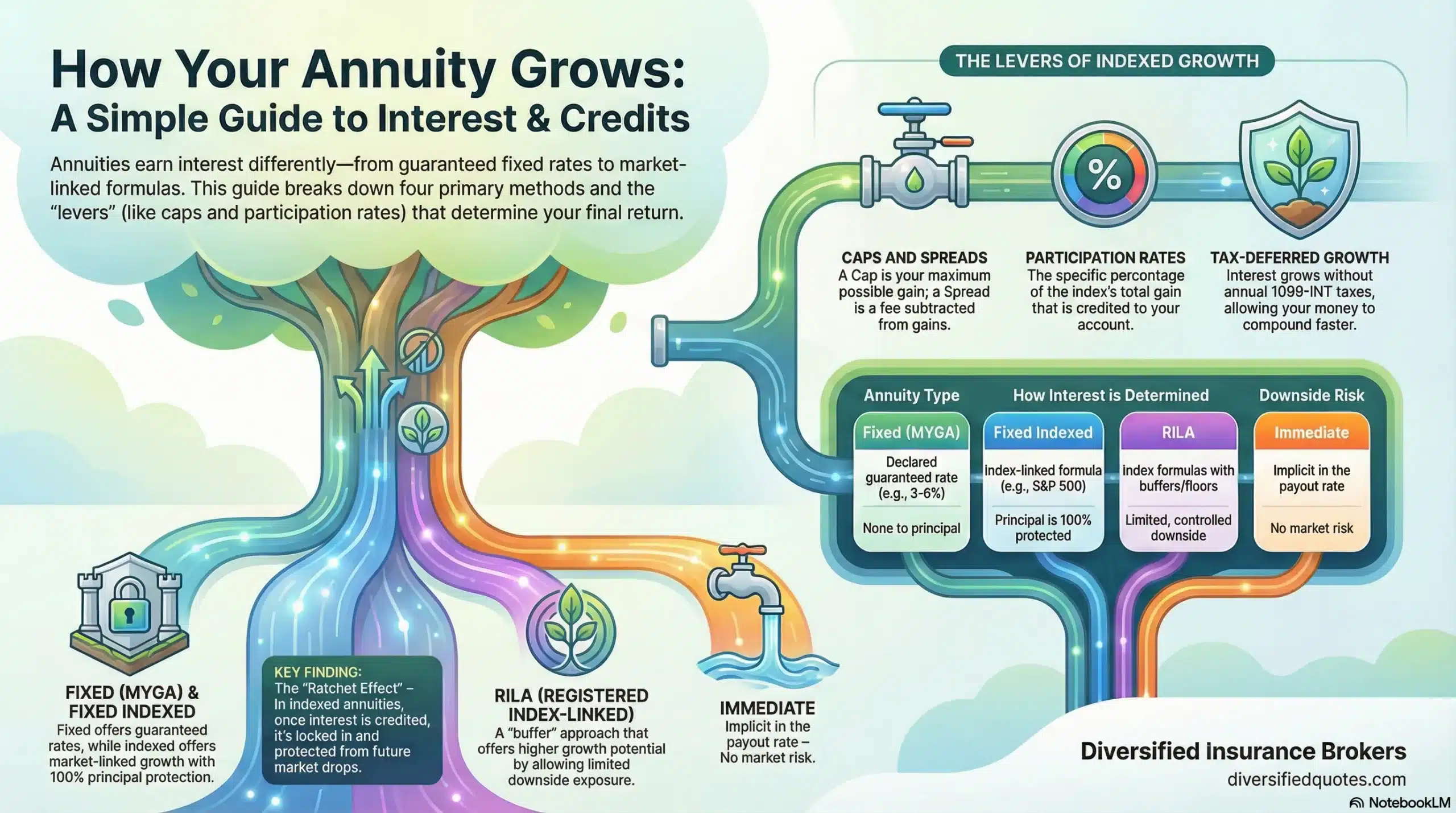
Fixed indexed annuities, for example, offer the potential for interest growth tied to market index performance while protecting principal from market losses. This structure appeals to many retirees who want some growth potential but prefer protection against market downturns. Evaluating how much growth you want within your retirement strategy helps determine how annuities may complement other investments.
How can an annuity support my retirement strategy?
Annuities serve several potential roles within a retirement plan. Some retirees use them primarily for guaranteed income. Others use them as a tax-deferred growth vehicle or as a way to protect principal from market volatility.
Immediate annuities convert a lump sum into a stream of income payments that begin shortly after purchase. Deferred annuities allow assets to grow for a number of years before income begins. Understanding these different structures helps determine which type aligns with your financial plan.
Individuals who prioritize stability often explore strategies such as annuities for conservative investors, which focus on preserving capital while creating dependable retirement income.
Does the annuity include surrender charges?
Most annuities include a surrender period during which large withdrawals may result in fees. These surrender charges typically decline over time and eventually disappear after the surrender period ends. Understanding the surrender schedule is essential before purchasing an annuity.
While surrender charges may sound restrictive, they are often designed to allow insurance companies to offer higher interest rates or income benefits. As long as the annuity is aligned with your long-term retirement plan, these restrictions typically do not pose problems. However, knowing the details helps ensure that the contract fits your financial timeline.
Will I have access to my money if I need it?
Although annuities are intended for long-term retirement planning, many contracts include provisions allowing limited withdrawals without surrender penalties. A common feature is the ability to withdraw a portion of the account value each year without triggering fees.
Some annuities also include special provisions that allow full access to funds in cases of serious illness, disability, or long-term care needs. Understanding these provisions before purchasing an annuity ensures that you maintain appropriate financial flexibility if unexpected circumstances arise.
What fees and expenses are associated with the annuity?
Annuity fees vary depending on the type of contract. Many traditional fixed annuities have very minimal fees, while other annuity types may include costs associated with optional features such as lifetime income riders or enhanced death benefits.
When researching annuities, it is important to review all potential costs, including rider fees, surrender charges, and administrative expenses. Understanding the full fee structure allows you to compare different annuity options and determine which contract offers the best balance between features, benefits, and overall value.
Is the insurance company financially strong?
An annuity’s guarantees are only as reliable as the insurance company issuing the contract. Before purchasing an annuity, it is important to review the insurer’s financial strength ratings from independent rating agencies. These ratings provide insight into the company’s long-term financial stability and its ability to meet contractual obligations.
Strong insurance companies typically maintain high capital reserves and long track records of meeting policyholder obligations. Choosing a financially stable carrier helps ensure that your annuity income remains dependable throughout retirement.
Another consideration when evaluating annuity contracts is how they function over time, including circumstances such as inheritance and beneficiary distributions. Reviewing resources such as how does an annuity work after death can help you understand how annuity assets may transfer to beneficiaries.
Is the advisor helping me understand my retirement goals?
The final and often most important question involves the guidance you receive during the decision-making process. A knowledgeable advisor should take the time to understand your financial situation, retirement goals, risk tolerance, and long-term income needs before recommending specific annuity products.
Rather than focusing solely on interest rates or bonuses, a good advisor will help you evaluate how an annuity fits within your broader retirement plan. This includes coordinating annuities with Social Security income, investment portfolios, and other financial resources. Working with an experienced professional who understands retirement planning can make the annuity selection process far more effective and help ensure the final decision supports your long-term financial security.
Request Personalized Annuity Comparisons
Ensure you are receiving the absolute top rates
Current Fixed Annuity Rates
Compare today’s best fixed annuity rates from top carriers.
Bonus Annuity Strategies
Explore annuities that may provide upfront bonuses and additional income features.
Lifetime Income Calculator
Estimate how much guaranteed monthly income your annuity could provide.
Related Pages
Additional annuity and retirement planning resources.
Financial Protection Essentials
Additional protection and insurance planning resources.
Talk With an Advisor Today
Choose how you’d like to connect—call or message us, then book a time that works for you.
Schedule here:
calendly.com/jason-dibcompanies/diversified-quotes
Licensed in all 50 states • Fiduciary, family-owned since 1980
Frequently Asked Questions About Researching Annuities
Asking questions helps ensure that the annuity aligns with your retirement goals, income needs, and liquidity preferences.
One of the most important considerations is how the annuity fits into your overall retirement income strategy.
No. Some annuities focus on long-term growth, while others are specifically designed to generate guaranteed retirement income.
Many retirees use annuities as a way to create predictable income streams similar to traditional pension payments.
Yes. Comparing multiple insurance carriers allows you to evaluate different contract features, rates, and income options.
About the Author:
Jason Stolz, CLTC, CRPC and Chief Underwriter at Diversified Insurance Brokers (NPN 20471358), is a senior insurance and retirement professional with more than two decades of real-world experience helping individuals, families, and business owners protect their income, assets, and long-term financial stability. As a long-time partner of the nationally licensed independent agency Diversified Insurance Brokers, Jason provides trusted guidance across multiple specialties—including fixed and indexed annuities, long-term care planning, personal and business disability insurance, life insurance solutions, and short-term health coverage. Diversified Insurance Brokers maintains active contracts with over 100 highly rated insurance carriers, ensuring clients have access to a broad and competitive marketplace.
His practical, education-first approach has earned recognition in publications such as VoyageATL, highlighting his commitment to financial clarity and client-focused planning. Drawing on deep product knowledge and years of hands-on field experience, Jason helps clients evaluate carriers, compare strategies, and build retirement and protection plans that are both secure and cost-efficient. Visitors who want to explore current annuity rates and compare options across multiple insurers can also use this annuity quote and comparison tool.
