
Life Insurance for Fatty Liver Disease

Jason Stolz CLTC, CRPC
Life insurance for fatty liver disease is frequently approved, but underwriting depends on the severity of the condition, whether it has progressed to nonalcoholic steatohepatitis (NASH) or cirrhosis, liver enzyme trends, BMI, alcohol use history, and overall metabolic health. Fatty liver disease, particularly nonalcoholic fatty liver disease (NAFLD), is one of the most common liver conditions seen in clinical practice. Many applicants with uncomplicated NAFLD qualify for traditional life insurance when the condition is well controlled and there is no evidence of significant liver impairment. However, when fatty liver progresses to NASH, fibrosis, or cirrhosis, underwriting becomes more complex, and carriers may apply rating adjustments or require more time to demonstrate stability.
Insurance underwriters will typically begin by reviewing the timeframe of diagnosis, presenting symptoms, and any diagnostic imaging or biopsy results. Early-stage fatty liver disease often presents without significant symptoms but may be detected through elevated liver enzyme tests or imaging studies like ultrasound or MRI. Most carriers look for a consistent pattern of liver panel monitoring over time and prefer applicants to demonstrate stable liver function rather than transient abnormalities. Underwriters particularly focus on levels of alanine aminotransferase (ALT), aspartate aminotransferase (AST), gamma-glutamyl transferase (GGT), and platelet counts in order to assess whether there is any ongoing hepatic inflammation or early fibrosis.
Request a Fatty Liver Underwriting Review
The cause of the fatty liver condition plays a significant role in underwriting. Nonalcoholic fatty liver disease (NAFLD) is often linked to metabolic syndrome, obesity, type 2 diabetes, and hyperlipidemia. Underwriters take overall metabolic health into account because NAFLD that is well controlled with lifestyle modifications, stable labs, and no progression on imaging can result in competitive underwriting classes. Conversely, alcoholic fatty liver disease or mixed etiologies may raise additional underwriting questions about long-term liver health and alcohol use behavior. Insurers may request detailed alcohol use history and findings from specialized assessments to ensure there is no pattern of chronic excessive alcohol consumption.
Lifestyle factors are evaluated independently of the diagnosis. Obesity is both a risk factor for NAFLD and an underwriting consideration in its own right. Applicants treated for obesity or those who have made significant weight loss progress often present stronger underwriting profiles than those who remain in high BMI categories. Additionally, blood glucose control is important; applicants with controlled diabetes generally fare better in underwriting compared to individuals with poorly controlled glycemic levels. This often parallels cases discussed in life insurance for high A1C diabetics, highlighting the interplay between liver health and systemic metabolic control.
If the fatty liver disease has progressed to nonalcoholic steatohepatitis (NASH) or there is evidence of fibrosis or cirrhosis, life insurance underwriting becomes more detailed. NASH is an inflammatory form of fatty liver disease that may lead to scarring and permanent liver damage over time. Sousing elevated AST and ALT levels, the presence of fibrosis on elastography or biopsy, and other signs of compromised liver function all contribute to perceived mortality risk. Carriers examine these measures to determine whether the liver can adequately perform its metabolic, synthetic, and detoxification roles over the long term.
Underwriters will typically want to see recent imaging reports showing no significant progression of fibrosis or cirrhosis. Liver stiffness measurements from tools such as FibroScan or elastography can provide objective evidence of advanced scarring. Elevated bilirubin levels, low albumin, and prolonged clotting times indicate more advanced liver dysfunction and often lead to more conservative underwriting decisions. In these cases, carriers may assign table ratings or require extended stability periods before offering traditional coverage.
Alcohol history is another underwriting variable. Even if the liver condition is primarily nonalcoholic, carriers will still ask about lifetime alcohol use. A documented history of long-term heavy alcohol consumption can influence pricing because it increases the likelihood of ongoing liver injury. Applicants with a clear documented period of abstinence and normal liver function tests over time may still qualify for competitive pricing, especially when other risk factors are managed well.
Tobacco use is evaluated alongside liver health, as it independently increases mortality risk and systemic inflammation. Smoking, including cigar use, is a separate underwriting factor and can elevate premiums similarly to applicants exploring life insurance for cigar smokers. Eliminating tobacco use can materially reduce underwriting risk and improve pricing.
Some applicants may also have additional autoimmune components involved with their liver condition. For example, autoimmune hepatitis or overlap syndromes may require additional specialist reports, lab panels, and documented treatment response. Cooperation of autoimmune involvement with fatty liver is an underwriting nuance requiring comprehensive medical documentation and often longer stability periods.
If fatty liver disease coexists with other conditions such as cardiovascular disease, hypertension, or chronic kidney disease, underwriting becomes more layered. For example, individuals with a history of chronic kidney disease may also explore broader underwriting considerations similar to those described in disability insurance resources when coordinating overall protection strategy. Both metabolic and circulatory systems interact when determining comprehensive mortality risk.
For applicants within a required stability period who cannot yet qualify for fully underwritten coverage, alternative options can provide interim protection. Guaranteed issue life insurance may serve as a bridge when traditional underwriting is not yet favorable. Carriers offering such policies do not require medical exams, but these policies often include graded death benefits during the initial years. For individuals with recent liver function fluctuations or imaging evidence that is not yet conclusively stable, a guaranteed issue program may provide short-term peace of mind until long-term stability is documented.
Permanent life insurance options, including whole life and indexed universal life, may be available to applicants with fatty liver disease depending on overall health and underwriting classification. Some choose permanent coverage to lock in coverage early, while others prefer term life as a cost-effective starting strategy. Those considering long-term capital strategies should also coordinate how life insurance fits within broader financial architecture, including retirement income planning tools such as a retirement annuity calculator to align protection with income goals over time.
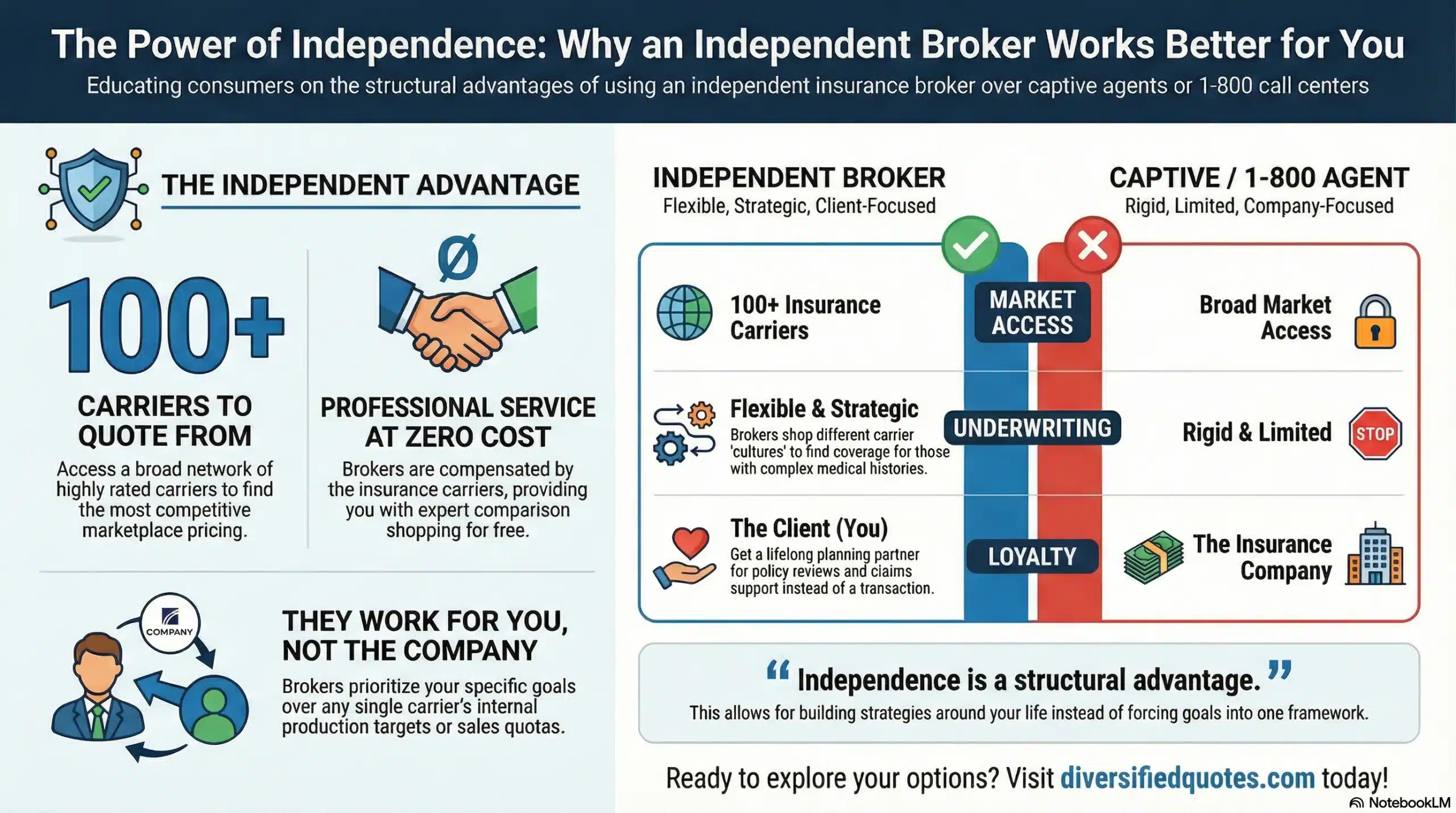
Carriers differ significantly in how they evaluate fatty liver disease. Some may be more aggressive in rating mild NAFLD when metabolic health is strong, while others may focus heavily on any indication of fibrosis. Reviewing carrier ratings, financial strength, and claims-paying histories is a critical step before selecting a permanent policy. Independent brokers who shop across multiple carriers increase your chances of matching your profile with the most competitive underwriting philosophy.
Speak With a Liver Health Underwriting Specialist
Life insurance for fatty liver disease is determined by the full medical narrative – diagnosis timeline, imaging reports, lab trends, metabolic stability, alcohol history, and overall cardiovascular health. While uncomplicated NAFLD often qualifies for traditional coverage, advanced disease such as NASH or cirrhosis requires detailed documentation and longer stability. Shopping across over 100 carriers significantly improves the likelihood of finding a company whose underwriting philosophy aligns with your health profile.
Life Insurance Quoter
Compare real-time life insurance quotes from top carriers.
Related Pages
Additional life insurance and protection planning resources.
Financial Protection Essentials
Planning tools and financial protection strategies to strengthen long-term financial security.
Talk With an Advisor Today
Choose how you’d like to connect—call or message us, then book a time that works for you.
Schedule here:
calendly.com/jason-dibcompanies/diversified-quotes
Licensed in all 50 states • Fiduciary, family-owned since 1980
Life Insurance for Fatty Liver Disease – Frequently Asked Questions
Yes. Many applicants with uncomplicated fatty liver qualify for traditional life insurance, particularly when liver function tests are stable and there is no evidence of fibrosis or cirrhosis.
It may. Mild NAFLD with stable labs often results in competitive pricing, but advanced disease such as NASH, fibrosis, or cirrhosis increases underwriting risk and may lead to table ratings.
Yes. Chronic alcohol use can compound underwriting concerns. Documented abstinence and normal liver function tests can improve outcomes.
Underwriters typically review ALT, AST, GGT, bilirubin, albumin, platelet count, and any elastography or biopsy findings if available.
Possibly, but cirrhosis increases underwriting risk significantly. Many carriers require extensive documentation and may offer rated coverage or higher premiums.
Yes. Guaranteed issue policies may provide limited interim protection if traditional underwriting is not currently favorable.
About the Author:
Jason Stolz, CLTC, CRPC and Chief Underwriter at Diversified Insurance Brokers, is a senior insurance and retirement professional with more than two decades of real-world experience helping individuals, families, and business owners protect their income, assets, and long-term financial stability. As a long-time partner of the nationally licensed independent agency Diversified Insurance Brokers, Jason provides trusted guidance across multiple specialties—including fixed and indexed annuities, long-term care planning, personal and business disability insurance, life insurance solutions, and short-term health coverage. Diversified Insurance Brokers maintains active contracts with over 100 highly rated insurance carriers, ensuring clients have access to a broad and competitive marketplace.
His practical, education-first approach has earned recognition in publications such as VoyageATL, highlighting his commitment to financial clarity and client-focused planning. Drawing on deep product knowledge and years of hands-on field experience, Jason helps clients evaluate carriers, compare strategies, and build retirement and protection plans that are both secure and cost-efficient.
