
Cancer Diagnosis Cash Benefit Rider

Jason Stolz CLTC, CRPC
Get Cash When Cancer Is First Diagnosed
Add a rider that pays you a lump sum after a covered cancer diagnosis—use it for deductibles, travel, home care, or everyday bills.
A cancer diagnosis cash benefit rider is designed for one of the most financially disruptive moments a family can face: learning that cancer is present and immediately shifting into “next steps” mode. Even with solid health coverage, the first few weeks often produce the highest concentration of out-of-pocket expenses—specialist consults, imaging, pathology, copays and coinsurance, prescriptions, and unexpected travel. This rider adds a fixed lump-sum payment when a covered malignant cancer is first diagnosed, and the money is paid directly to you, so you can apply it wherever the pressure is greatest.
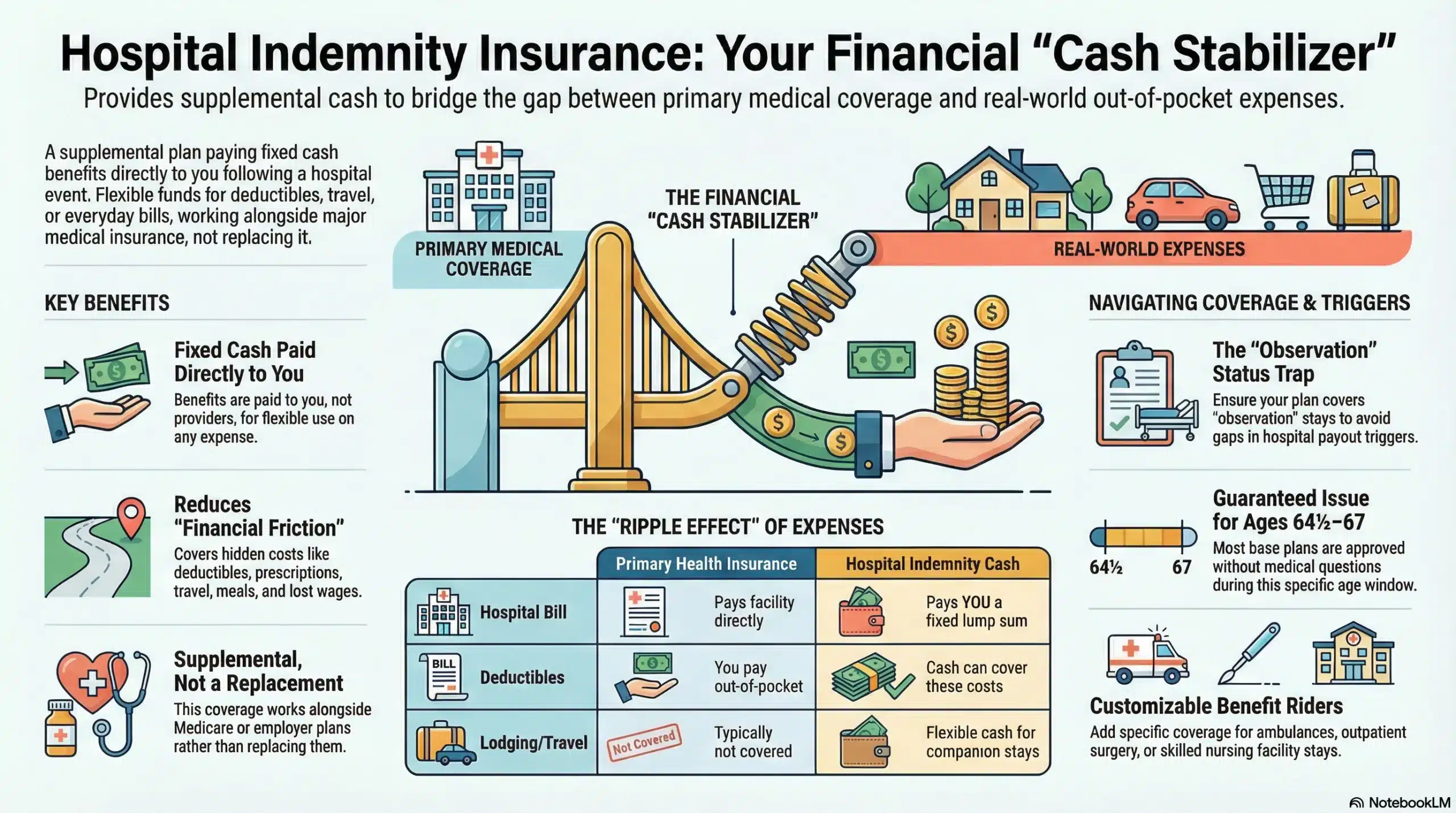
That flexibility matters because cancer costs are not always “medical bill only” costs. Many families end up paying for transportation, meals, lodging near a treatment center, home help, childcare, and time away from work. A cancer diagnosis cash benefit rider does not replace health insurance, and it does not try to reimburse exact bill amounts. Instead, it provides predictable cash triggered by a defined diagnosis event, so you can stabilize cash flow while treatment decisions are being made.
At Diversified Insurance Brokers, we help clients compare rider designs side by side and build a practical episode-of-care strategy. Many people choose to pair a cancer diagnosis cash benefit rider with ER/observation benefits, hospital daily benefits, outpatient surgery benefits, therapy benefits, and (where available) travel and lodging benefits. If your goal is broader protection that is still budget-friendly, this rider is often one of the highest “impact-per-dollar” add-ons because it pays early—when the disruption begins.
What the Cancer Diagnosis Rider Pays
Most cancer diagnosis riders are built around one primary benefit: a one-time lump-sum cash payment when a covered cancer diagnosis meets the rider definition. You typically select the benefit amount at enrollment. The range varies by carrier and state, but it is common to see tiers that start at a lower amount and step up into higher levels as premium increases.
Because benefits pay to you, families often use this money for:
- Plan deductibles and coinsurance that hit quickly during imaging, biopsy, and oncology visits
- Out-of-network and specialty consult costs when pursuing second opinions or centers of excellence
- Travel and lodging for treatment that is not local
- Home support such as meal delivery, childcare, transportation help, or temporary home care
- Income bridging when time away from work reduces cash flow
The practical advantage is simple: the rider provides a cash cushion when families need immediate flexibility. It is particularly helpful for households that want a predictable pool of cash available early in the episode—before larger inpatient benefits or longer recovery benefits would even come into play.
How and When the Benefit Triggers
Trigger rules vary by plan, and details matter. In most cases, the rider is triggered by a physician diagnosis of a covered malignant cancer that meets the definition in the contract. Many plans require pathology or histological confirmation because the benefit is diagnosis-based rather than hospitalization-based.
Here are the most common trigger components you should evaluate:
- Covered diagnosis definition: The rider will define malignant cancer and may list exclusions or reduced benefits for certain categories.
- Evidence requirements: Many carriers require pathology confirmation and supporting medical documentation.
- Waiting period: A standard waiting period may apply after issue before diagnosis benefits are eligible.
- Pre-existing condition limitation: Some plans have a look-back period and may limit benefits for conditions treated or advised within that window.
- Survival period: Some riders include a short survival period before payment is made.
Another key area is how the rider treats in-situ cancers and certain skin cancers. Some plans exclude them, some pay a reduced benefit, and some include them with specific rules. This is one of the first details we verify for your state, because it changes how “broad” the rider really is.
Choosing Benefit Amounts Without Overbuying
The best benefit amount is not always the highest amount. The right amount is the one that matches your likely early out-of-pocket exposure and your household’s cash-flow sensitivity. A simple approach is to think in layers: what would you want available immediately if you received a diagnosis and needed to stabilize the next 30–90 days?
Many households choose a cancer diagnosis cash benefit amount that can reasonably cover a combination of deductible/coinsurance exposure plus “practical costs” like travel and time away from work. If budget is tight, a smaller lump sum can still be valuable because it arrives early, when families are often paying multiple bills in a short span.
Also pay attention to whether the rider is once per lifetime or whether it includes a reset/recurrence option. Some designs pay once per lifetime per covered condition, while others allow a new payout after a defined cancer-free period. Those rules can materially change the long-term value of the rider.
Pairing With Other Riders for a Real Episode-of-Care Plan
Cancer episodes often involve multiple settings. Some care is outpatient (imaging, infusion, radiation). Some care becomes inpatient (surgery, complications, infections, dehydration). Many families also experience ER visits and observation stays during treatment. That’s why pairing this rider with other benefits can create a more complete design that matches real life.
Common pairings include:
- ER and urgent care benefits: Cash when the episode begins in the ER or when urgent issues arise during treatment. See: ER & Urgent Care: When Hospital Indemnity Pays.
- Observation benefits: Partial cash benefits for short 7–24 hour holds that don’t become admissions. See: Hospital Indemnity for Observation Stays.
- Hospital daily benefits: Per-day cash for inpatient stays tied to surgery or complications that require admission.
- Outpatient surgery and rehab benefits: Additional payments for same-day procedures and recovery support. See: Outpatient Surgery & Rehab Riders.
- Skilled nursing facility (SNF) benefit: Helpful if a short skilled rehab stay becomes part of the recovery arc. See: Skilled Nursing Facility Rider Explained.
- Increasing daily benefit rider: In some plans, step-ups can help keep daily benefits aligned with rising costs over time. See: Increasing Daily Benefit Rider.
The goal is not to stack every rider. The goal is to build a right-sized design that pays in the situations that actually happen: early diagnosis disruption, short visits, outpatient procedures, and occasionally inpatient complications.
Design Examples
Early Diagnosis, Mostly Outpatient Care
This design emphasizes early cash and outpatient support, which is common when treatment is primarily consults, imaging, outpatient procedures, and recurring specialist visits.
- Cancer diagnosis cash benefit: mid level
- Outpatient surgery rider (where applicable)
- ER/urgent care benefit (for complications or urgent evaluations)
- Therapy benefit (for post-procedure recovery support)
- Travel/lodging benefit (optional, where available)
Goal: Stabilize early costs and keep recurring visits from disrupting the monthly budget.
Surgery + Inpatient Stay Risk
This design prioritizes stronger hospital and recovery support for households who want more protection if surgery and inpatient complications are realistic concerns.
- Cancer diagnosis cash benefit: higher level
- Hospital daily benefit for 3–7 days (or as designed)
- Observation benefit for short holds (if not admitted)
- SNF benefit for short-term skilled rehab (if expected)
- Outpatient rehab benefit for follow-up recovery therapy
Goal: Reduce cost-sharing and disruption across diagnosis → hospital → recovery.
Who Should Consider a Cancer Diagnosis Cash Benefit Rider
This rider is often a fit for people who want flexible cash at the beginning of a major health event and who prefer a budget-friendly “cash cushion” rather than a complex reimbursement structure. It can also be valuable for Medicare Advantage members who want additional help with cost-sharing, especially if their plan includes copays for outpatient services, imaging, and hospital-related episodes.
It may be especially relevant if you:
- Prefer having cash available for travel, lodging, and household support during treatment
- Want a predictable lump sum that can offset early deductibles and coinsurance
- Expect to pursue specialty care or second opinions
- Are building a broader hospital indemnity plan that pays across multiple care settings
Quote a Cancer Diagnosis Rider
Pick a lump sum that matches your plan exposure and real-world treatment disruption—simple and right-sized.
Prefer to talk? Call 800-533-5969
Related Hospital Indemnity Pages
Compare benefit triggers and build a complete episode-of-care strategy.
Related Rider Pages
Explore common add-ons that can strengthen a real-world benefit design.
Financial Protection Essentials
Term life comparisons, retirement account planning, annuity decisions, and employer health plan strategies for long-term stability.
Talk With an Advisor Today
Choose how you’d like to connect—call or message us, then book a time that works for you.
Schedule here:
calendly.com/jason-dibcompanies/diversified-quotes
Licensed in all 50 states • Fiduciary, family-owned since 1980
Cancer Diagnosis Cash Benefit Rider FAQs
Does the rider cover all cancers?
It typically covers malignant cancer as defined in the rider. Some in-situ cancers or certain skin cancers may be excluded or may pay a reduced benefit depending on the plan and state.
Do I have to be hospitalized for the lump sum to pay?
No. This rider is usually diagnosis-based, not hospitalization-based. Hospital daily benefits are separate per-day payments that apply when a qualifying inpatient confinement occurs.
Is pathology proof required?
Usually yes. Many plans require histological or pathology confirmation along with supporting medical documentation to validate a covered malignant cancer diagnosis.
Is there a waiting period or pre-existing condition limitation?
Often yes. Many riders include an initial waiting period and a pre-existing condition limitation/look-back rule. The exact timing and definitions vary by carrier and state.
Can I claim more than once?
Some designs pay once per lifetime per condition. Others allow a new payout after a defined cancer-free period. We confirm recurrence/reset rules before you enroll.
How big should the lump sum be?
Choose an amount that matches your expected early out-of-pocket exposure and practical costs like travel, lodging, home help, and income disruption. We’ll right-size options to your budget.
What pairs well with a cancer diagnosis rider?
Common pairings include ER/urgent care benefits, observation benefits, hospital daily benefits, outpatient surgery benefits, therapy benefits, and (where available) travel/lodging benefits—so coverage pays across the full episode of care.
Is this a replacement for health insurance or Medicare?
No. It’s supplemental coverage that pays fixed cash benefits based on defined triggers. It is designed to work alongside Medicare, Medicare Advantage, or employer coverage.
About the Author:
Jason Stolz, CLTC, CRPC and Chief Underwriter at Diversified Insurance Brokers, is a senior insurance and retirement professional with more than two decades of real-world experience helping individuals, families, and business owners protect their income, assets, and long-term financial stability. As a long-time partner of the nationally licensed independent agency Diversified Insurance Brokers, Jason provides trusted guidance across multiple specialties—including fixed and indexed annuities, long-term care planning, personal and business disability insurance, life insurance solutions, and short-term health coverage. Diversified Insurance Brokers maintains active contracts with over 100 highly rated insurance carriers, ensuring clients have access to a broad and competitive marketplace.
His practical, education-first approach has earned recognition in publications such as VoyageATL, highlighting his commitment to financial clarity and client-focused planning. Drawing on deep product knowledge and years of hands-on field experience, Jason helps clients evaluate carriers, compare strategies, and build retirement and protection plans that are both secure and cost-efficient.
