
Is Genworth a Good Insurance Company?

Jason Stolz CLTC, CRPC
At Diversified Insurance Brokers, we help clients evaluate insurance companies the same way a retiree actually experiences them: financial strength, claims reliability, policy flexibility, and how well the company’s products fit real retirement needs. If you’re asking, “Is Genworth a good insurance company?” the most accurate answer is: Genworth can be a good company for the right purpose—especially when the purpose is long-term care planning or managing an existing Genworth long-term care policy—but it is not “good” in the same way a broad life-and-annuity carrier is good, because Genworth’s modern identity is far more concentrated.
Genworth is best known for long-term care insurance. Many retirees recognize the name because it has issued a large volume of traditional LTC policies over the years and has extensive claims experience in the category. That experience matters because long-term care is not a “quick claim” product. It is a long-duration benefit with complex eligibility triggers, care settings, and ongoing claims administration. For people who already own Genworth long-term care coverage, the company’s long history in the segment can be meaningful. For people shopping for new long-term care solutions today, the conversation is broader: you want to compare traditional LTC against hybrid life/LTC and annuity/LTC designs that may offer more predictability, different guarantees, and different tradeoffs.
That is why we approach Genworth with a goal-first framework. If your goal is to keep an existing policy, understand benefits, coordinate claim paperwork, or evaluate inflation and benefit settings, Genworth may be a reasonable fit. If your goal is to buy new coverage with level premiums and modern benefit designs, you may find that other carriers and hybrid solutions compete very strongly—often with different pricing mechanics and different “what happens if I never use it” outcomes.
Compare Genworth with Other Carriers
See how traditional LTC and hybrid LTC solutions compare across multiple insurers.
Ensure you are receiving the absolute top rates
Current Fixed Annuity Rates
Compare today’s best fixed annuity rates from top carriers.
Current Bonus Annuity Rates
See which annuities offer the highest upfront bonus today.
Request an Annuity Quote
Submit our annuity request form to get personalized rate options.
Lifetime Income Calculator
Estimate how much guaranteed lifetime income different annuity options may provide based on age and premium.
💡 Note: The calculator accepts premiums up to $2,000,000. If you’re investing more, results increase in direct proportion — for example, doubling your premium roughly doubles the guaranteed income at the same age and options.
Company Overview: What Genworth Is Known For Today
Genworth Financial has a long history in the insurance industry and is widely associated with the long-term care category. Over time, Genworth’s role in the market has shifted. Many consumers still remember Genworth as part of a broad life-and-annuity landscape, but the company’s public reputation today is most tied to long-term care—particularly servicing and administering a large block of traditional LTC policies and maintaining deep operational experience in how long-term care claims are evaluated, approved, and paid.
That history is relevant because long-term care is not a simple product. A retiree may pay premiums for years before needing care, and when care is needed, it tends to be extended, expensive, and emotionally stressful. The last thing you want in that moment is uncertainty about how benefits work, what paperwork is needed, and what qualifies. A company that has handled a large volume of LTC claims has seen real-world patterns: home care, assisted living, nursing care, cognitive impairment, and how families coordinate care across locations. Experience does not remove every risk, but it can help the company run the claims process more consistently.
At the same time, when you are deciding whether to buy new coverage today, you must evaluate the modern long-term care market as it exists now. Many families are no longer choosing traditional LTC in the same way they did twenty years ago because premium dynamics changed across the industry. Hybrid long-term care designs, benefit riders, and alternative funding approaches have become more common. That is why “Is Genworth good?” depends heavily on whether you are talking about an older policy you already own, or a new long-term care plan you are building today.
Why Financial Strength Matters More in Long-Term Care Than Almost Any Other Line
In many insurance lines, a claim is event-driven and typically short duration. Long-term care is different. Benefits can last for years and can involve large total payouts. That makes carrier stability and claims-paying ability central, not optional. When evaluating Genworth—or any long-term care carrier—the right question is not just “What is the premium?” The right question is whether the structure is sustainable over the decades-long time horizon that long-term care planning requires.
It is also important to separate two related but distinct realities: (1) whether a company is paying claims and servicing policies as designed, and (2) whether premiums on certain types of older LTC policies have been increased over time. Across the long-term care industry, older policy blocks were often priced in an era when assumptions about lapse rates, longevity, care utilization, and interest rates turned out to be wrong. When assumptions change, long-term care carriers request rate increases through state regulators to keep policy blocks financially viable. This is a market reality and one of the reasons many retirees now consider hybrid LTC strategies designed around different pricing mechanics.
So, if you already own a Genworth LTC policy, the key evaluation becomes: what benefits do you have, what inflation rider exists (if any), what elimination period applies, and what has happened historically to your premiums. If you are shopping for new coverage, the key evaluation becomes: do you want the traditional model at all, or would a hybrid model better fit your desire for premium predictability and “value even if care is never needed.”
Genworth’s Key Strengths
Genworth’s strengths show up most clearly when you look at the long-term care category as a whole. The company has deep historical experience in LTC underwriting, policy servicing, and claims. That matters because long-term care is a product where small contract details can influence how smoothly benefits are accessed. A company that has administered a large portfolio has developed systems, staff expertise, and care coordination patterns that newer carriers may not have at the same scale.
Long-term care specialization. Genworth’s brand identity is tied to long-term care. That specialization can be valuable if your priority is understanding care triggers, claims workflow, and how different care settings are treated under policy terms.
Care planning and educational resources. Genworth has historically offered educational tools and care planning support that can help families understand what long-term care looks like in real life. For many retirees, LTC planning is not only about insurance; it is about understanding the care journey and preparing early.
Legacy policy experience. Many families are navigating an older Genworth policy and want clarity. If you are trying to interpret benefits, coordinate family responsibilities, or evaluate how the policy interacts with retirement income planning, an experienced LTC servicing infrastructure can be a real advantage.
Potential Weaknesses and What to Watch Closely
Genworth’s weaknesses are tied to the same reality that reshaped the long-term care industry: traditional LTC pricing and sustainability challenges. Those challenges are not exclusive to Genworth, but they are part of Genworth’s story in the eyes of many consumers because Genworth is so closely associated with traditional LTC policy blocks.
Legacy premium increases. Many older LTC policies across the industry have experienced premium increases over time. If you own an older policy, the practical question becomes whether the policy still provides value for the premium, whether benefits remain adequate, and whether adjustments are available. This is not a reason to panic; it is a reason to review the policy like any other major retirement contract.
Limited new product footprint compared to broad insurers. Depending on state and product availability, Genworth may not be the same “one-stop shop” brand that some households want for life insurance, annuities, and other retirement products. If your goal is a coordinated retirement plan that includes annuities and income strategies, you may be comparing Genworth more as a long-term care reference point than as your primary retirement income carrier.
Ratings and conservatism preferences. Some retirees prefer working only with carriers that sit at the very top tier of financial strength. Genworth may or may not fit that preference depending on what you are comparing and what product you are considering. This is why side-by-side comparisons matter. You want to see the full picture: benefit design, premium structure, and insurer profile together.
Traditional LTC vs Hybrid LTC: The Real Retirement Planning Comparison
For many retirees, the most important Genworth-related decision is not “Should I buy Genworth?” It is: “Should I buy traditional long-term care insurance, or should I use a hybrid design?” Traditional LTC is generally a “use it or lose it” premium model. You pay premiums for coverage, and if you never need care, there is typically no death benefit value. For some families, that is perfectly acceptable because they primarily want the lowest cost for a given long-term care benefit.
Hybrid LTC designs work differently. They combine long-term care benefits with either life insurance or an annuity structure. The appeal is that if long-term care is never needed, there is often a residual value—commonly a death benefit (in life/LTC designs) or contract value feature depending on the structure. Hybrid designs are not automatically better; they involve different tradeoffs in funding, liquidity, and benefit mechanics. But they are a meaningful alternative for families that want more premium predictability or more “value retention” if care is never used.
If you want a clear comparison framework, start with hybrid life vs traditional long-term care insurance and then look at specialized options like hybrid life insurance with long-term care benefits. Those pages help you compare benefits based on how you actually intend to fund and use the coverage.
How Genworth Fits Into Modern Long-Term Care Planning
Genworth is most relevant in modern planning in two scenarios. First, when you already own a Genworth long-term care policy and want to understand it, optimize it, or coordinate it with your retirement income strategy. Second, when you are comparing long-term care approaches and want to understand what traditional LTC looks like relative to hybrid solutions and other carriers. In that sense, Genworth becomes a reference point: the brand many people associate with LTC, which can help frame the conversation.
If you already own a policy, the review should focus on the contract mechanics: daily or monthly benefit amount, benefit period, elimination period, inflation rider, home care coverage terms, and whether the benefit pool still reasonably matches expected costs in your region. It is also important to understand what the policy requires for claim eligibility, including how “benefit triggers” are defined. These details matter more than general company reputation because they determine the real-life usefulness of the policy at the moment it matters most.
If you are shopping new coverage, the review should focus on how you want to fund the plan and what outcome you care about most. Some families want maximum LTC benefit per premium dollar. Other families want premium stability and residual value if LTC is never needed. Others want to combine long-term care planning with an annuity-based strategy, which is where designs like fixed annuity with long-term care benefits can be part of the comparison conversation.
When Genworth May Be a Good Fit
Genworth may be a good fit when long-term care is the main purpose and you value the company’s long history in LTC. It may also be a good fit when you already own a Genworth policy and want the most accurate understanding of what you have and how to use it correctly.
Genworth can also make sense as part of a broader comparison process if you want to see how traditional LTC pricing and benefits compare to hybrid designs, and you want to compare those approaches with an independent broker who can illustrate alternatives.
When You Should Consider Alternatives
Alternatives become especially relevant when premium predictability and “value retention” are priorities. Many retirees prefer designs where the premium is guaranteed, where benefits are structured differently, or where there is a death benefit or residual value if care is never used. This is where hybrid solutions may be attractive, especially for households that can reposition assets instead of paying “pure premium” for decades.
You may also consider alternatives if you want to compare spousal planning structures, including shared-care designs, or if you want to pair long-term care planning with a broader retirement income strategy where annuities play a role. A good place to explore those comparisons is long-term care insurance with shared spousal benefits and affordable long-term care insurance for retirees.
Planning Example: Traditional LTC vs Hybrid Strategy
Imagine a 62-year-old couple who wants long-term care coverage, but they are cautious about premium uncertainty because they have seen friends face premium increases on older policies. They also want to ensure that if long-term care is never used, part of the money still benefits the surviving spouse or heirs.
In a review process, one option is a traditional long-term care policy structure similar to what many consumers associate with Genworth: pay premiums, receive coverage, and hope the coverage is there if needed. Another option is a modern hybrid policy with a guaranteed funding structure, an inflation approach that fits their time horizon, and a residual death benefit if care is never used. The couple chooses the hybrid approach because it creates predictable funding, provides long-term care benefits if needed, and keeps some value in the plan if care is never required. Meanwhile, they keep separate assets invested for growth, and they coordinate the entire plan around stability rather than hoping market returns cover every scenario.
This example illustrates the real point: “good company” is not the whole question. The better question is “good plan design for this family’s preferences.”
Pros and Cons (Plain English)
Pros: Genworth is a recognizable long-term care name with deep experience in LTC policy administration and claims patterns. For households with legacy policies, that experience can matter. Genworth also helps define the traditional LTC model that many consumers still use as the baseline for long-term care planning.
Cons: Genworth’s modern footprint is more concentrated than broad life-and-annuity carriers, and long-term care as a category has been shaped by premium and sustainability pressures across the industry. Many retirees shopping for new coverage now prefer to compare hybrid options and alternative designs that address predictability and value retention concerns.
How Diversified Insurance Brokers Helps You Evaluate Genworth
Our role is to help you compare long-term care solutions based on what matters in retirement: predictable outcomes, understandable rules, and realistic tradeoffs. If you already own a Genworth policy, we can help you interpret benefit settings, evaluate how it fits your retirement income plan, and clarify the decisions that typically come up as you age. If you are shopping new coverage, we can compare traditional LTC against hybrid options and annuity-based LTC designs across multiple carriers so you can see the differences clearly.
Long-term care planning is not just about buying a policy. It is about protecting your retirement income from a category of expenses that can be financially devastating. Whether Genworth is the right fit or whether another carrier or design is better, the goal is the same: build a plan that preserves dignity, protects the spouse, and prevents long-term care costs from derailing the rest of your retirement strategy.
Related Long-Term Care Pages
Use these pages to compare traditional LTC and hybrid designs.
Related Retirement Protection Pages
Use these pages to connect LTC planning to broader retirement protection strategies.
Talk With an Advisor Today
Choose how you’d like to connect—call or message us, then book a time that works for you.
Schedule here:
calendly.com/jason-dibcompanies/diversified-quotes
Licensed in all 50 states • Fiduciary, family-owned since 1980
FAQs: Is Genworth a Good Insurance Company?
Is Genworth still selling long-term care insurance?
Yes, Genworth continues to service existing policies and selectively issues new long-term care coverage in specific markets.
What makes Genworth different from other insurers?
Genworth’s deep experience in long-term care insurance gives it unique actuarial and claims data, unmatched by many newer competitors.
Has Genworth faced financial issues?
Yes, the company has undergone restructuring and rating changes, but it remains licensed, solvent, and continues paying claims.
What are the alternatives to Genworth’s LTC policies?
Hybrid life or annuity-based long-term care solutions provide guaranteed premiums, lifetime benefits, and death benefits if care isn’t needed.
Should I review my existing Genworth policy?
Yes. It’s smart to review coverage regularly—especially if rates increase or if hybrid alternatives could enhance your long-term plan.
About the Author:
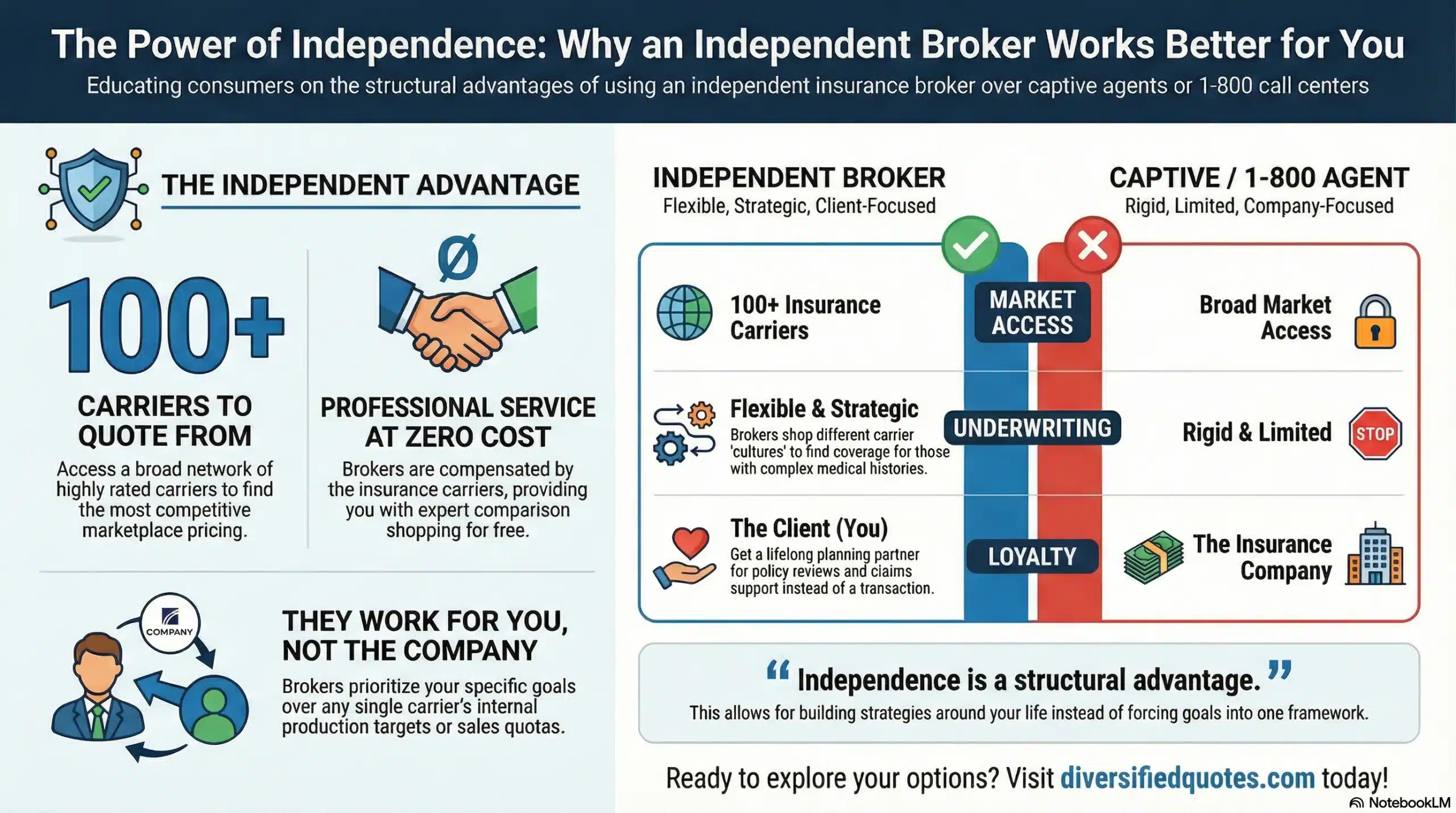
Jason Stolz, CLTC, CRPC and Chief Underwriter at Diversified Insurance Brokers, is a senior insurance and retirement professional with more than two decades of real-world experience helping individuals, families, and business owners protect their income, assets, and long-term financial stability. As a long-time partner of the nationally licensed independent agency Diversified Insurance Brokers, Jason provides trusted guidance across multiple specialties—including fixed and indexed annuities, long-term care planning, personal and business disability insurance, life insurance solutions, and short-term health coverage. Diversified Insurance Brokers maintains active contracts with over 100 highly rated insurance carriers, ensuring clients have access to a broad and competitive marketplace.
His practical, education-first approach has earned recognition in publications such as VoyageATL, highlighting his commitment to financial clarity and client-focused planning. Drawing on deep product knowledge and years of hands-on field experience, Jason helps clients evaluate carriers, compare strategies, and build retirement and protection plans that are both secure and cost-efficient.
