
What is the Primary Reason To Buy Group Health Insurance

Jason Stolz CLTC, CRPC
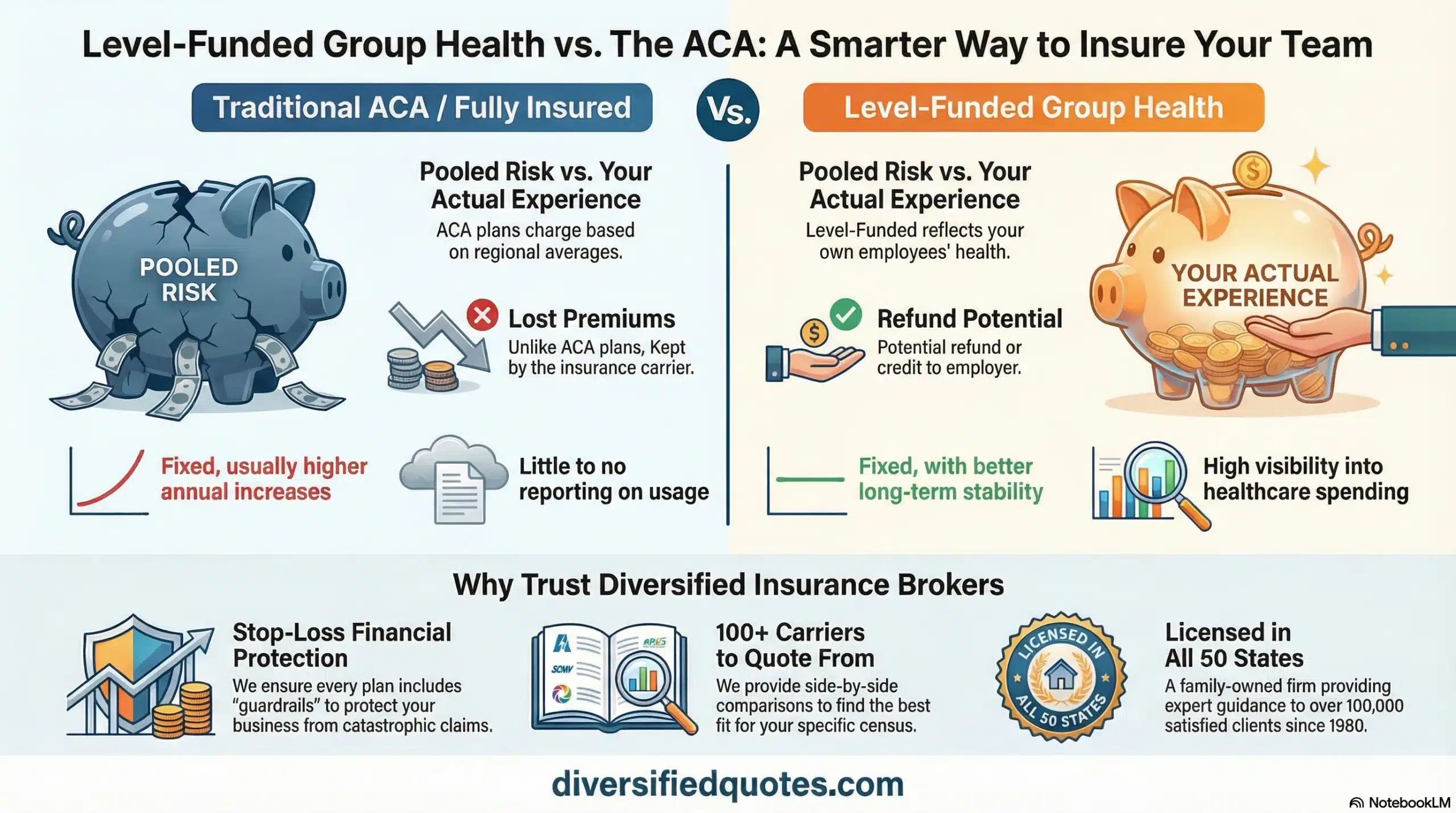
The primary reason to buy group health insurance is to give employees affordable access to healthcare while helping businesses build a stable, competitive workforce. When companies offer group coverage, they are able to pool employees together under a single insurance policy. This shared risk structure allows insurers to offer broader coverage and often more predictable premiums than individual insurance plans. As a result, employees gain access to healthcare protection that may be significantly more affordable than purchasing insurance on their own.
Healthcare costs can be one of the largest financial concerns for both employers and employees. Without insurance coverage, even routine medical visits or prescription medications can become expensive. Employer-sponsored health insurance helps protect workers from these risks while ensuring they have access to preventive care, physician services, and hospital treatment when needed. Businesses evaluating healthcare affordability often begin by understanding overall healthcare costs through resources such as is health insurance expensive, which explains how coverage structures affect long-term medical expenses.
For employers, group health insurance has also become an essential part of attracting and retaining talent. Job candidates frequently compare benefits packages when deciding where to work. Organizations that provide strong healthcare coverage often find it easier to recruit skilled professionals and reduce employee turnover. By supporting employee well-being, companies create stronger workplace environments and improve long-term workforce stability.
Speak With an Insurance Advisor
Why the Primary Reason to Buy Group Health Insurance Matters for Businesses
Understanding the primary reason to buy group health insurance can help employers design benefit packages that support both employees and long-term business goals. Healthcare coverage is one of the most valuable benefits employees receive outside of their salary. Workers who feel that their employer cares about their health and financial security are often more engaged, productive, and loyal to their organization.
One of the most significant advantages of offering group health insurance is employee retention. Recruiting and training new employees requires time and financial resources. Companies that provide meaningful benefits frequently experience lower turnover and stronger workplace loyalty. Health coverage also contributes to a positive company reputation, helping organizations compete with larger employers that may already offer extensive benefits packages.
Many businesses also combine healthcare coverage with additional financial protection strategies for their workforce. For example, organizations sometimes evaluate policies such as key person disability insurance to protect the company from financial disruption if a critical employee becomes unable to work. Combining healthcare coverage with other protective strategies can create a more comprehensive employee benefit system.
Employers may also explore how insurance planning fits into broader financial planning strategies. Topics such as investment risk analysis are often discussed alongside employee benefits because businesses want to reduce financial uncertainty while supporting long-term stability for both the company and its workforce.
How Group Health Insurance Works
Group health insurance operates differently from individual health insurance policies. Instead of evaluating each employee individually, insurance carriers assess the overall risk of the entire group. Factors such as employee demographics, geographic location, and company size influence premium levels and coverage structures. Because the risk is shared across multiple individuals, group plans can often provide more consistent pricing than policies purchased independently.
Most employers share the cost of health insurance premiums with their employees. In many plans, the employer pays a portion of the monthly premium while employees contribute the remainder through payroll deductions. This shared structure helps make healthcare coverage more affordable for workers while allowing businesses to manage benefit costs more effectively.
Group plans may also include several coverage tiers that allow employees to choose the level of protection that best fits their needs. These tiers typically vary based on deductibles, copayments, and out-of-pocket limits. Some plans may also include optional benefits such as dental coverage, vision insurance, or telemedicine services.
In addition to health insurance, many employers evaluate other types of insurance protection for employees. Some organizations provide access to disability coverage or income protection policies such as disability income insurance for physicians and professionals. These policies can help protect employees if an illness or injury prevents them from working.
Group Health Insurance for Small Businesses
A common misconception is that only large corporations can offer group health insurance. In reality, many insurance carriers offer plans designed specifically for small businesses. Even companies with only a few employees may qualify for group coverage depending on the insurer’s guidelines and state regulations.
Small businesses often benefit from group insurance because it allows them to offer competitive benefits while maintaining manageable premium costs. Healthcare coverage can help small employers compete with larger companies when recruiting skilled workers. Companies researching options for very small teams may find helpful guidance through resources such as best group health insurance options for 2 person businesses.
Providing healthcare benefits can also strengthen the overall financial security of employees. When workers have access to preventive care and routine medical services, they are more likely to address health concerns early rather than delaying treatment due to cost. Early treatment can reduce long-term medical risks and help maintain a healthier workforce.
Some employers integrate healthcare coverage with additional financial planning support for employees. For example, organizations sometimes provide educational resources related to retirement planning or Social Security benefits such as Social Security advice. Combining healthcare coverage with broader financial planning resources can improve employee confidence and long-term stability.
Financial Advantages of Group Health Insurance
In addition to protecting employee health, group health insurance can also offer financial advantages for businesses. Employer contributions to healthcare premiums are generally tax-deductible business expenses. Employees often pay their portion of premiums using pre-tax income through payroll deductions, which can reduce the overall tax burden associated with healthcare costs.
This tax efficiency allows companies to provide valuable benefits while controlling overall expenses. Businesses that prioritize employee well-being often see long-term benefits through improved workforce productivity and stronger employee engagement.
Some employers also evaluate long-term financial protection strategies designed to reduce economic risk for their organization. For example, business owners may explore strategies such as downside protection strategies in bear markets when planning financial safeguards for uncertain economic environments.
Healthcare coverage is one piece of a broader financial protection strategy that can help stabilize both businesses and employees. Companies that provide comprehensive benefits often experience stronger organizational performance because employees feel supported and protected against unexpected financial challenges.
Long-Term Workforce Benefits
The primary reason to buy group health insurance ultimately extends beyond immediate healthcare coverage. Employers that provide strong benefits demonstrate a long-term commitment to employee well-being. Workers who feel valued by their organization are more likely to remain engaged and productive.
Healthcare protection also supports long-term financial stability for employees and their families. Medical emergencies are one of the leading causes of financial hardship for households without adequate insurance coverage. Access to employer-sponsored healthcare helps reduce this risk and allows employees to focus on other financial goals.
Many organizations combine healthcare benefits with broader financial planning education for employees. Topics such as retirement income planning, long-term care preparation, and financial risk management may be discussed through educational resources like the long-term care planning playbook. Providing these resources can help employees build stronger long-term financial foundations.
Ultimately, group health insurance represents one of the most valuable benefits employers can provide. By protecting employee health and financial stability, businesses create stronger workplaces while improving their ability to attract and retain talented professionals.
Related Pages
Talk With an Advisor Today
Choose how you’d like to connect—call or message us, then book a time that works for you.
Schedule here:
calendly.com/jason-dibcompanies/diversified-quotes
Licensed in all 50 states • Fiduciary, family-owned since 1980
Frequently Asked Questions About Group Health Insurance
The primary reason employers offer group health insurance is to provide employees with affordable healthcare coverage while improving recruitment and retention. Group plans allow employers to spread insurance risk across multiple employees, which can make coverage more affordable and stable compared with individual health insurance policies.
Group health insurance is often less expensive because insurance companies evaluate the risk of the entire group rather than each individual employee. When risk is spread across many participants, premiums can be more predictable and sometimes lower than policies purchased individually.
No. In most group health insurance plans, employers pay a portion of the monthly premium while employees contribute the remaining amount through payroll deductions. The percentage paid by the employer can vary depending on the plan structure and company policies.
The minimum number of employees required for group health insurance varies by state and insurer. Many insurers offer plans for small businesses with as few as two employees, while larger companies may qualify for additional plan options due to their workforce size.
Group health insurance plans usually include coverage for doctor visits, hospital care, preventive services, prescription medications, and emergency treatment. Some plans may also offer optional benefits such as dental coverage, vision insurance, wellness programs, or telemedicine services.
Yes. Many insurance carriers offer group health insurance plans specifically designed for small businesses. These plans allow small employers to provide healthcare coverage to employees while still maintaining manageable premium costs.
About the Author:
Jason Stolz, CLTC, CRPC and Chief Underwriter at Diversified Insurance Brokers (NPN 20471358), is a senior insurance and retirement professional with more than two decades of real-world experience helping individuals, families, and business owners protect their income, assets, and long-term financial stability. As a long-time partner of the nationally licensed independent agency Diversified Insurance Brokers, Jason provides trusted guidance across multiple specialties—including fixed and indexed annuities, long-term care planning, personal and business disability insurance, life insurance solutions, Group Health, and short-term health coverage. Diversified Insurance Brokers maintains active contracts with over 100 highly rated insurance carriers, ensuring clients have access to a broad and competitive marketplace.
His practical, education-first approach has earned recognition in publications such as VoyageATL, highlighting his commitment to financial clarity and client-focused planning. Drawing on deep product knowledge and years of hands-on field experience, Jason helps clients evaluate carriers, compare strategies, and build retirement and protection plans that are both secure and cost-efficient. Visitors who want to explore current annuity rates and compare options across multiple insurers can also use this annuity quote and comparison tool.
