
Why Work with an Independent Long Term Care Insurance Broker

Jason Stolz CLTC, CRPC
Long term care planning is one of the most important financial decisions individuals and families make as they approach retirement. The cost of extended care—whether provided in the home, an assisted living community, or a nursing facility—can place significant financial pressure on retirement savings. Long term care insurance is designed to help protect assets and provide financial resources if care becomes necessary. Because these policies are complex and vary significantly between carriers, many people choose to work with an independent long term care insurance broker when evaluating coverage options.
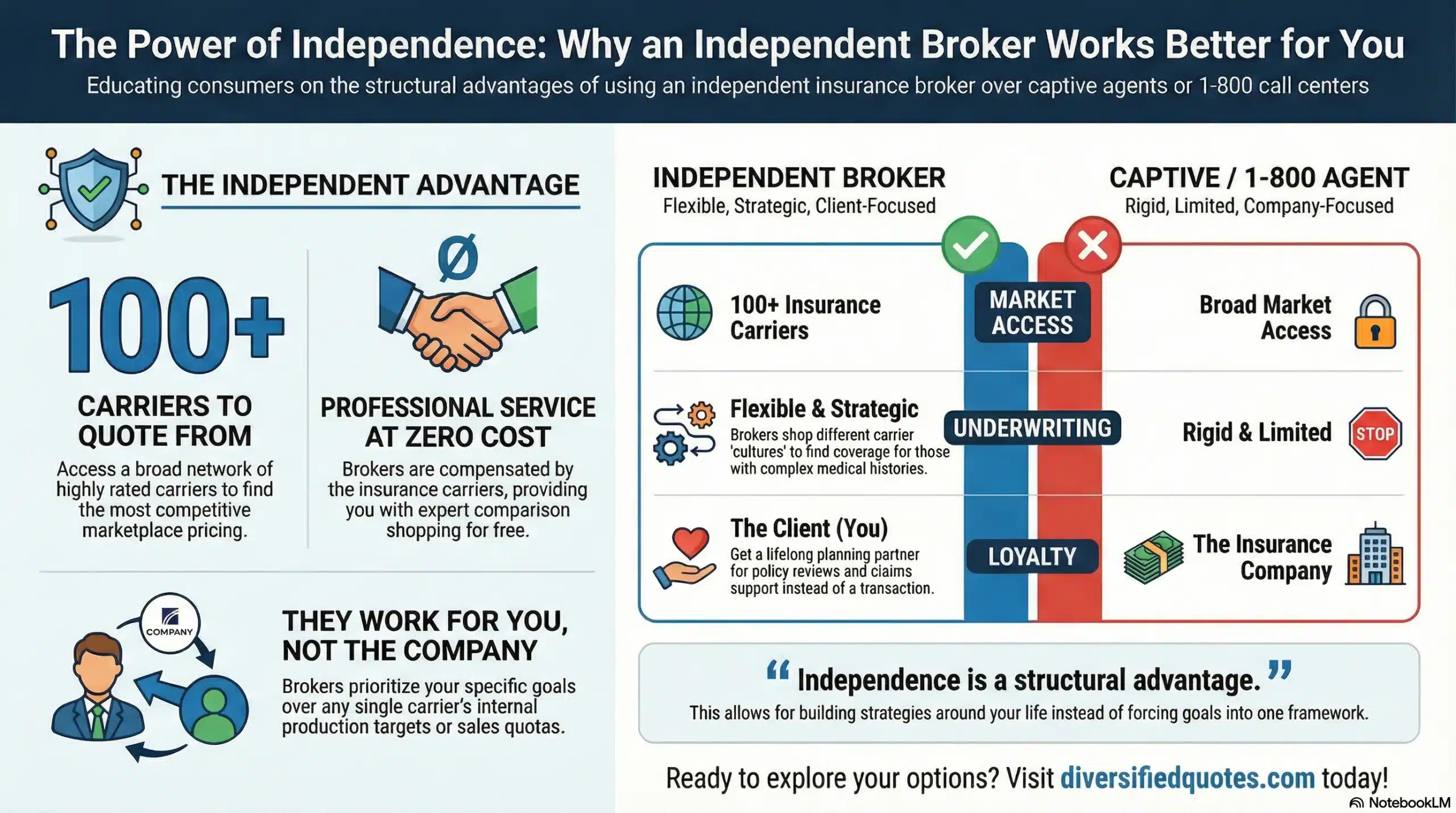
An independent broker works with multiple insurance companies rather than representing a single carrier. This allows them to compare policy designs, evaluate benefit structures, and help clients choose coverage that fits their financial goals and long-term care planning strategy. Long term care insurance policies can differ widely in terms of daily benefit amounts, benefit periods, inflation protection, elimination periods, and shared care features. An independent broker helps clients navigate these differences so they can select a policy that provides meaningful protection.
Many individuals exploring long term care coverage are already evaluating other aspects of retirement planning, including asset protection and income strategies. Some retirees compare insurance solutions alongside investment options offered by financial institutions, researching questions such as whether Vanguard is a good financial company when reviewing retirement portfolios. Long term care insurance plays a different role—it helps protect retirement assets from being consumed by healthcare expenses later in life.
Request a Long Term Care Insurance Quote
Access to Multiple Long Term Care Insurance Carriers
One of the biggest advantages of working with an independent long term care insurance broker is the ability to compare coverage from multiple insurance companies. Long term care policies are issued by a variety of insurers, and each carrier structures its products differently.
Some insurers focus on traditional long term care policies that reimburse expenses for qualified care services. Others offer hybrid policies that combine life insurance or annuities with long term care benefits. By working with multiple carriers, an independent broker can help clients compare both traditional and hybrid designs.
Insurance companies also vary in underwriting guidelines and financial strength. Many clients evaluate insurer stability before purchasing coverage by reviewing company information and policyholder experiences, such as research into insurance company reviews. An independent broker helps identify insurers that are financially stable and have a strong reputation for handling long term care claims.
Objective Policy Comparisons
Because independent brokers are not limited to a single insurance company, they can provide objective comparisons between multiple policy designs. This is especially important for long term care insurance because small differences in policy structure can significantly impact how benefits work during a claim.
For example, policies may differ in daily benefit amounts, inflation protection options, and eligibility triggers for care benefits. Some policies also include additional features that provide flexibility when accessing benefits.
Understanding how insurance contracts interact with retirement assets is also an important part of planning. Some retirees compare long term care strategies alongside income products such as annuities. Learning how annuity beneficiaries work can help individuals coordinate asset protection and income planning alongside long term care coverage.
Understanding Long Term Care Policy Features
Long term care insurance policies include several important features that determine how coverage works. Independent brokers help clients evaluate these policy elements so they understand how benefits will function if care becomes necessary.
One important feature is the benefit period, which determines how long the policy will pay for care services. Some policies provide coverage for a fixed number of years, while others offer lifetime benefits. Another key feature is the elimination period, which is the waiting period before benefits begin.
Inflation protection is also critical when purchasing long term care insurance. Because healthcare costs typically rise over time, inflation riders help ensure that policy benefits remain adequate decades after the policy is purchased.
Individuals planning for retirement sometimes coordinate long term care coverage with other income strategies. For example, some retirees analyze annuity income products such as fixed indexed annuities with income riders when evaluating long-term financial security.
Helping Protect Retirement Assets
One of the primary reasons people purchase long term care insurance is to protect retirement savings from the potentially high cost of extended care. Nursing home stays, assisted living facilities, and in-home care services can be expensive, especially if care is required for several years.
Without insurance coverage, individuals may be forced to rely on personal savings or sell assets to pay for care. Long term care insurance can help offset these costs, allowing retirees to preserve their savings for other financial goals.
Some individuals also review inheritance planning when considering long term care coverage. Understanding how assets such as inherited annuities are structured can help families coordinate wealth transfer strategies while protecting assets from healthcare expenses.
Guidance Through the Underwriting Process
Long term care insurance typically requires medical underwriting. Insurance companies evaluate health history, medications, and other risk factors before approving coverage.
An experienced independent broker helps clients prepare for this process by explaining underwriting requirements and helping gather the documentation insurers may request. Because underwriting guidelines differ between carriers, a broker can also help identify insurers that may be more favorable for a specific health profile.
Some individuals also explore supplemental health coverage options when planning for healthcare costs in retirement. Programs such as Medicare supplement plans may complement long term care strategies by helping manage other medical expenses.
Coordinating Long Term Care Insurance With Retirement Planning
Long term care insurance should be integrated into a broader retirement planning strategy. This includes evaluating how long term care coverage fits alongside retirement income, Social Security benefits, and estate planning goals.
For example, some retirees analyze government benefits when planning their retirement income. Understanding topics such as the government pension offset can help individuals coordinate retirement benefits alongside insurance planning.
Independent brokers help clients understand how long term care coverage interacts with these broader financial considerations so they can make informed decisions.
Ongoing Support After the Policy Is Issued
The value of working with an independent long term care insurance broker does not end once a policy is purchased. Brokers continue assisting clients throughout the life of their policy by reviewing coverage options, explaining policy changes, and helping coordinate claims if long term care services are needed.
Having a knowledgeable advisor who understands the policy structure can make a significant difference when navigating the claims process. Brokers often act as advocates for their clients, helping them understand how benefits apply and ensuring claims are submitted properly.
Request a Long Term Care Insurance Quote
Related Pages
Talk With an Advisor Today
Choose how you’d like to connect—call or message us, then book a time that works for you.
Schedule here:
calendly.com/jason-dibcompanies/diversified-quotes
Licensed in all 50 states • Fiduciary, family-owned since 1980
An independent long term care insurance broker compares policies from multiple insurance companies and helps clients choose coverage that protects their savings if extended care becomes necessary.
Independent brokers represent multiple insurers and can compare different policy designs. Captive agents typically represent only one insurance company.
Many individuals purchase long term care insurance in their 50s or early 60s when they are more likely to qualify for coverage and premiums are generally lower.
Most modern long term care policies cover multiple care settings including home care, assisted living, and nursing facilities, depending on policy terms.
Yes. Long term care insurance can help cover the cost of extended care services so retirees do not have to rely entirely on personal savings or retirement accounts.
About the Author:
Jason Stolz, CLTC, CRPC and Chief Underwriter at Diversified Insurance Brokers (NPN 20471358), is a senior insurance and retirement professional with more than two decades of real-world experience helping individuals, families, and business owners protect their income, assets, and long-term financial stability. As a long-time partner of the nationally licensed independent agency Diversified Insurance Brokers, Jason provides trusted guidance across multiple specialties—including fixed and indexed annuities, long-term care planning, personal and business disability insurance, life insurance solutions, Group Health, and short-term health coverage. Diversified Insurance Brokers maintains active contracts with over 100 highly rated insurance carriers, ensuring clients have access to a broad and competitive marketplace.
His practical, education-first approach has earned recognition in publications such as VoyageATL, highlighting his commitment to financial clarity and client-focused planning. Drawing on deep product knowledge and years of hands-on field experience, Jason helps clients evaluate carriers, compare strategies, and build retirement and protection plans that are both secure and cost-efficient. Visitors who want to explore current annuity rates and compare options across multiple insurers can also use this annuity quote and comparison tool.
