
Best Medicare Supplement Plans for Seniors
As an Independent Medicare Broker, Tonia Pettitt (CMIP©) compares available plans across the major carriers to help you find the right coverage for your health, needs and budget.
Best Medicare Supplement Plans for Seniors

Medicare Supplement insurance — commonly called Medigap — fills the cost-sharing gaps that Original Medicare leaves in place. Part A and Part B provide strong foundational coverage for hospital care, physician services, and outpatient treatment, but they do not cap your out-of-pocket costs the way most employer-sponsored plans do. Without a supplement plan, a Medicare beneficiary can face a Part A hospital deductible each benefit period, 20% coinsurance on all Part B services (physician visits, outpatient procedures, lab work, imaging) with no annual maximum, and potential exposure to Part B excess charges if providers charge above Medicare-approved amounts. For retirees on fixed income, this open-ended exposure is the practical problem Medigap solves. A well-chosen Medicare Supplement plan converts an unpredictable cost structure into a more manageable and foreseeable one — typically replacing per-service variable costs with a fixed monthly premium and a small number of known out-of-pocket items. Our resource on Medicare services covers the full landscape of Medicare coverage options, and our resource on is Medicare expensive provides the cost framework for evaluating total Medicare spending across plan types.
The most important structural fact about Medigap is standardization: Medicare requires that each plan letter offer identical benefits regardless of which insurance company sells it. If you purchase Plan G from Carrier A and Plan G from Carrier B, the medical benefits are identical in every state except Massachusetts, Minnesota, and Wisconsin, which use different standardized systems. The only differences between carriers offering the same plan letter are the monthly premium, the carrier’s pricing method (which affects how premiums change over time), discount availability, and the carrier’s rate history in your state. This standardization simplifies the selection process significantly: the first decision is choosing the plan letter that fits your cost-sharing preferences, and the second decision is comparing carriers on price and pricing stability. For most new enrollees in 2020 and after, the short list of plan letters typically includes Plan G (the most comprehensive currently available to newly eligible beneficiaries), Plan N (a lower-premium alternative with modest copays), and High-Deductible Plan G (a premium-minimizing option for seniors who want catastrophic protection at lower monthly cost). Our resource on Medicare Supplement Plan G vs Plan N covers the two most commonly compared plan letters in depth.
The timing of Medigap enrollment matters as much as the plan letter selection. The Medigap Open Enrollment Period — a six-month window that begins when a beneficiary is 65 or older and their Medicare Part B becomes effective — is the most protected enrollment window: during this period, insurance carriers generally cannot deny coverage, apply pre-existing condition exclusions, or charge higher premiums based on health status. Outside of this window, buying Medigap or switching carriers may require medical underwriting depending on the state, and a significant health event can limit or eliminate the ability to change plans. Getting the enrollment timing right — coordinating Part B activation, Medigap enrollment, and any employer coverage transitions — is one of the most consequential administrative decisions in the Medicare process. Our resource on how to choose the best Medicare plan covers the selection and enrollment sequence, and our resource on Medicare calculator provides the comparison tool for modeling costs across plan types.
Compare Medicare Supplement Plans in Your Area
Plan G vs. Plan N vs. High-Deductible Plan G — Side by Side
The comparison below covers the three plan letters most relevant to new Medicare enrollees. Benefits are standardized by Medicare — these descriptions apply across all carriers offering each plan letter. The right choice depends on your premium tolerance, expected healthcare utilization, and comfort with point-of-service cost-sharing.
| Benefit / Feature | Plan G | Plan N | High-Deductible Plan G |
|---|---|---|---|
| Part A Hospital Deductible | Covered — Plan G pays the full Part A deductible ($1,736 per benefit period in 2026; verify current amount at medicare.gov) | Covered — same as Plan G | Covered after the annual plan deductible is met — deductible is $2,950 in 2026 (adjusted annually; verify at medicare.gov) |
| Part B Coinsurance (20% of approved amount) | Covered — Plan G pays the 20% Part B coinsurance for all Medicare-approved services | Covered — same as Plan G on most services; however, copays of up to $20 for office visits and up to $50 for ER visits (if not admitted) may apply | Covered after the annual plan deductible is met |
| Part B Deductible | Not covered — you pay the annual Part B deductible ($283 in 2026; verify current amount at medicare.gov) | Not covered — same limitation as Plan G | Not covered separately — the Part B deductible counts toward satisfying the plan’s annual deductible |
| Part B Excess Charges | Covered — if a provider charges more than Medicare-approved amounts, Plan G covers the difference (up to 15% above approved) | Not covered — if your provider charges excess, you pay it; this is manageable in most areas where providers accept Medicare assignment, but worth confirming locally | Covered after deductible — once the plan deductible is satisfied, excess charges are covered |
| Skilled Nursing Facility Coinsurance | Covered | Covered | Covered after deductible |
| Foreign Travel Emergency | Covered up to plan limits (typically 80% of approved after a $250 deductible, up to a lifetime maximum) | Covered — same terms as Plan G | Covered after plan deductible — same terms otherwise |
| Monthly Premium Level | Higher than Plan N and HD-G — reflects the comprehensive coverage that eliminates most routine out-of-pocket cost-sharing | Lower than Plan G — premium reduction reflects the copays and absence of excess charge coverage; often meaningfully less per month | Lowest among the three — often significantly below standard Plan G because the annual deductible shifts most routine cost-sharing to the beneficiary |
| Best Fit | Seniors who prioritize predictable, comprehensive coverage and want to minimize point-of-service billing; those who see specialists frequently or want maximum simplicity | Seniors who want lower monthly premiums and are comfortable with small copays; those whose local providers accept Medicare assignment and excess charges are uncommon in their area | Relatively healthy seniors who want catastrophic protection at the lowest monthly cost; those who can comfortably manage the annual deductible from savings and prefer to self-insure routine costs |
Benefits are standardized by Medicare — the benefits listed above apply to all carriers offering each plan letter in most states. Medicare deductibles and plan-specific deductibles are adjusted annually; verify current amounts at medicare.gov or with a licensed Medicare advisor before enrollment. Massachusetts, Minnesota, and Wisconsin use different standardized systems. Availability of specific plan letters varies by state and carrier.
Plan G — The Most Comprehensive Option for New Enrollees
Plan G is the most comprehensive Medigap plan currently available to beneficiaries who became eligible for Medicare on or after January 1, 2020. It covers the Part A hospital deductible, all Part B coinsurance (the 20% that Medicare does not pay on approved services), Part B excess charges (the additional amount some providers charge above Medicare-approved rates), skilled nursing facility coinsurance, and foreign travel emergency coverage up to plan limits. The single item Plan G does not cover is the annual Part B deductible — a modest fixed amount that changes from year to year (verify the current figure at medicare.gov). After paying that one annual deductible, a beneficiary with Plan G faces essentially no additional cost-sharing for Medicare-covered services regardless of how much care they use. This is the defining value of Plan G: it converts the otherwise open-ended cost exposure of Original Medicare into a fully predictable annual expense — one annual deductible plus the monthly Plan G premium — making it the simplest and most protection-complete structure available to new Medicare enrollees. For seniors who see specialists frequently, manage multiple chronic conditions, or simply want to receive medical care without tracking bills and calculating coinsurance on each service, Plan G’s predictability is its primary value.
Plan N — Premium Savings With Modest Cost-Sharing
Plan N is often the strongest value alternative for beneficiaries who want a meaningfully lower monthly premium and are comfortable accepting modest point-of-service costs. The structural differences from Plan G are specific: Plan N may require a copay of up to $20 for physician office visits and up to $50 for emergency room visits when the beneficiary is not admitted. Additionally, Plan N does not cover Part B excess charges — amounts that some providers charge above Medicare-approved rates. In areas where most physicians and specialists accept Medicare assignment (agreeing to Medicare-approved rates as payment in full), excess charges are uncommon and the Plan N gap may never actually trigger out-of-pocket cost. In areas or specialties where non-assignment is more prevalent, the excess charge exposure is real and worth factoring. Before selecting Plan N, confirming that your primary care physician, specialists, and preferred hospitals accept Medicare assignment in your area is an important verification step. Our resource on Medicare Supplement Plan G vs Plan N covers this comparison in depth including how to evaluate the premium differential against expected utilization patterns to determine which structure produces a better financial outcome for your specific situation.
High-Deductible Plan G — Lowest Premium, Catastrophic Protection
High-Deductible Plan G offers the same benefits as standard Plan G — the same coverage for Part A, Part B coinsurance, excess charges, and skilled nursing facility coinsurance — but requires the beneficiary to satisfy an annual deductible (set at $2,950 for 2026, adjusted annually; verify the current amount at medicare.gov) before the plan begins paying. Every Medicare-approved cost the beneficiary incurs — including the Part B deductible — counts toward satisfying this annual plan deductible. Once the deductible is met, the plan pays exactly as standard Plan G would for the rest of the calendar year. The premium for High-Deductible Plan G is substantially lower than standard Plan G — often dramatically so — because the beneficiary is absorbing most routine healthcare costs up to the deductible threshold rather than the carrier. For a beneficiary who is relatively healthy, has limited healthcare utilization in most years, and can comfortably meet the annual deductible from savings or income without financial hardship, HD-G can produce a lower total annual cost (premium plus out-of-pocket) than standard Plan G in years when care is limited — while still providing a ceiling on catastrophic exposure in high-usage years. The risk is in a year of significant healthcare utilization: the beneficiary absorbs the full deductible before coverage activates, whereas a standard Plan G beneficiary faces only the Part B deductible. The decision between standard Plan G and HD-G ultimately comes down to how the beneficiary wants to position the risk tradeoff between a higher certain monthly premium and a potentially higher but capped annual out-of-pocket if care is needed.
Plan F — The Legacy Plan for Pre-2020 Eligible Beneficiaries
Plan F was historically the most comprehensive Medigap option — it covered everything Plan G covers plus the annual Part B deductible, meaning beneficiaries faced zero cost-sharing for Medicare-covered services. Plan F is no longer available to beneficiaries who became eligible for Medicare on or after January 1, 2020, because the Affordable Care Act eliminated first-dollar coverage plans for new enrollees. Beneficiaries who became eligible before that date may still be able to purchase Plan F from carriers that offer it in their state. The practical considerations for current Plan F holders or buyers are primarily about the risk pool: as Plan F is closed to new younger enrollees, the average age of the pool rises over time, which has historically contributed to above-average premium increases. Some Plan F holders have switched to Plan G upon renewal to access a more stable and competitively priced risk pool. A licensed Medicare advisor can help evaluate whether staying in Plan F or transitioning to Plan G is financially advantageous for a specific situation.
Medigap Open Enrollment — The Most Protected Window
The Medigap Open Enrollment Period is the most important timing concept for anyone approaching Medicare eligibility. This six-month window begins on the first day of the month in which you are both 65 or older and enrolled in Medicare Part B. During this period, insurance carriers offering Medigap in your state generally cannot deny you coverage, charge you higher premiums based on health status, or apply pre-existing condition waiting periods. Every senior — regardless of medical history, current diagnoses, or prior claims — has an equal right to purchase any Medigap plan offered in their state during this window at the standard age-based rate. This is the window that provides the most complete access and the most pricing equity. Outside of this window, most states allow carriers to apply medical underwriting when a beneficiary applies for Medigap coverage — meaning that significant health conditions can result in higher rates or denial of coverage. The practical consequence is clear: applying during the open enrollment window, rather than after a significant health event that motivates the application, produces the best available terms for both coverage access and price.
Guaranteed Issue rights provide a separate and narrower set of protections for beneficiaries outside the open enrollment window. These rights are triggered by specific events — losing coverage through an employer, leaving a Medicare Advantage plan under defined circumstances, or other qualifying life events — and allow enrollment in certain Medigap plan letters without medical underwriting. The specific events that trigger Guaranteed Issue rights, the plan letters available, and the enrollment deadlines following the triggering event are defined by federal rules with some state-level variations. Confirming whether a specific situation triggers Guaranteed Issue rights before canceling any existing coverage is a critical step — the sequencing of coverage cancellation and new enrollment can affect the availability of these rights. Our resource on best independent Medicare broker covers how working with an independent advisor protects enrollment sequencing and ensures Guaranteed Issue rights are not inadvertently forfeited.
Carrier Pricing Methods — The Long-Term Cost Factor Most People Miss
Because Medigap benefits are standardized by plan letter, the premium is the primary carrier-to-carrier differentiator — but comparing premiums at a single point in time without understanding the pricing method behind them can lead to a decision that looks favorable today but produces higher costs over a 5-to-10-year horizon. Three pricing methods are used in the Medigap market. Attained-age pricing sets premiums based on the policyholder’s current age — premiums typically start lower but increase as the policyholder ages in addition to any general rate increases. Issue-age pricing sets premiums based on the age at which the policy was purchased — the premium does not automatically rise with age (though general rate adjustments can still occur). Community-rated pricing uses a base rate for all enrollees in the geographic area regardless of individual age — everyone pays approximately the same amount, with adjustments for factors like discounts and inflation, but not individual age progression. The “best” pricing method depends on your age at enrollment, your state’s carrier options, and the specific carrier’s historical rate behavior. An attained-age plan that starts lower may ultimately cost more than an issue-age plan with a higher initial premium, depending on how long you hold the policy and how the carrier manages rate increases. A licensed independent Medicare advisor who can show historical rate behavior alongside current premiums provides significantly more useful information than a premium comparison alone. Our resource on getting a second opinion on your Medicare quote covers the comparison process for existing policyholders evaluating whether their current plan is still the best available option.
What Medigap Does Not Cover
Understanding Medigap’s exclusions is as important as understanding its coverage. All Medigap plans are supplements to Original Medicare — they cover Medicare’s cost-sharing gaps, but they do not extend coverage to things Medicare itself does not cover. Medigap plans do not include prescription drug coverage — for prescription benefits, Medicare beneficiaries need to enroll in a separate Medicare Part D plan or choose a Medicare Advantage plan that bundles drug coverage. Medigap plans do not include dental, vision, or hearing coverage. They do not cover long-term care (nursing home or home health aide), routine physicals beyond what Medicare covers, or cosmetic services. For beneficiaries who want prescription coverage alongside Medigap, enrolling in a standalone Part D plan during the initial enrollment period (or a Special Enrollment Period) is the standard approach. Missing the Part D enrollment window without qualifying for a Special Enrollment Period can result in a late enrollment penalty that applies for as long as you have Part D coverage. Our resource on Medicare Part D explained covers the prescription coverage structure and how to evaluate Part D options alongside Medigap.
Medigap vs. Medicare Advantage — Understanding the Structural Difference
Medicare Advantage (Part C) and Medicare Supplement (Medigap) are fundamentally different approaches to Medicare coverage — not different versions of the same thing. Medicare Advantage replaces Original Medicare: your medical claims are managed by the private insurance plan rather than by Medicare directly, you are typically subject to a provider network (HMO or PPO), and the plan uses copay and coinsurance structures that can change year to year. Many Medicare Advantage plans offer lower monthly premiums than Medigap — sometimes $0 above the Part B premium — and may bundle additional benefits like dental, vision, and hearing. The trade-offs are network constraints, annual plan design changes, and the more significant one: switching from Medicare Advantage back to Medigap at a later date may require medical underwriting in most states, potentially closing off Medigap access if health conditions have developed. Seniors who value maximum provider flexibility (seeing any doctor nationwide who accepts Medicare without worrying about networks), predictable out-of-pocket exposure, and the ability to travel for care without in-network constraints tend to prefer Medigap. Seniors who prioritize lower monthly premiums, do not mind managed care networks, and are comfortable with the annual plan election cycle tend to prefer Medicare Advantage. Neither is universally “better” — the right choice depends on individual healthcare patterns, financial priorities, and planning horizon. Our resource on Medicare Advantage vs Medicare Supplement comparison covers both structures in full comparative detail. Our resource on long-term care insurance after age 80 covers the long-term care dimension that Medigap doesn’t address and that benefits from separate planning alongside Medicare supplement decisions. Our resource on when to start taking Social Security benefits covers the income planning context that frequently accompanies Medicare enrollment decisions for pre-retirees evaluating their full healthcare and income picture simultaneously.
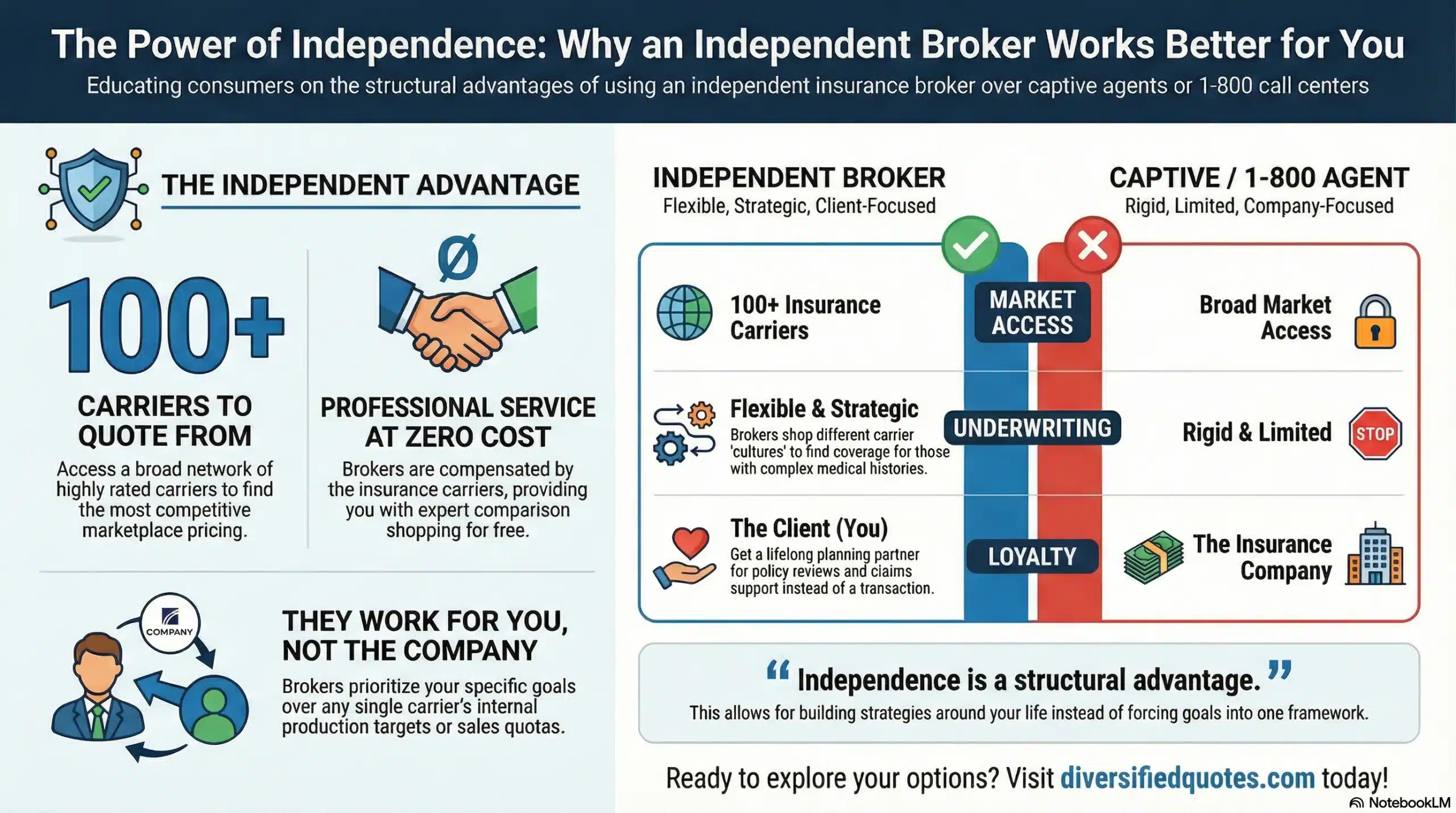
Compare Medicare Advantage Carriers
Book a free consultation with Tonia to review highly-rated Medicare Advantage plans and choose the best fit for your retirement.
FAQs: Best Medicare Supplement Plans for Seniors
What is a Medicare Supplement (Medigap) plan and why do people need one?
A Medicare Supplement plan (also called Medigap) is a standardized private health insurance policy that works alongside Original Medicare to cover some or all of the cost-sharing gaps that Medicare Part A and Part B leave in place — including hospital deductibles, Part B coinsurance (the 20% Medicare doesn’t pay), skilled nursing facility coinsurance, and in most plans, Part B excess charges. Original Medicare does not cap annual out-of-pocket costs, which means a beneficiary without a supplement can face potentially unlimited exposure from a serious illness or extended hospitalization. Medigap converts that unpredictable exposure into a more manageable structure — typically a fixed monthly premium plus a small number of known items — making healthcare spending more predictable on a fixed retirement income.
Which Medigap plan is best for most new Medicare enrollees?
For most new enrollees since 2020, the most common “best fit” options are Plan G and Plan N. Plan G is the most comprehensive plan currently available to newly eligible beneficiaries — it covers the Part A deductible, all Part B coinsurance, Part B excess charges, and skilled nursing facility coinsurance, leaving only the annual Part B deductible as your cost-sharing responsibility. Plan N offers a lower monthly premium in exchange for modest copays at office and ER visits and the absence of excess charge coverage. High-Deductible Plan G is best for relatively healthy seniors who want the lowest possible monthly premium and can absorb an annual deductible if they need significant care. The best choice depends on your expected healthcare usage, premium tolerance, and whether excess charges are common in your area.
What is the difference between Plan G and Plan N?
Both Plan G and Plan N cover the Part A hospital deductible and Part B coinsurance, but they differ in two specific ways. First, Plan N may require up to $20 copay for office visits and up to $50 for ER visits (if not admitted); Plan G has no such copays. Second, Plan G covers Part B excess charges — amounts some providers charge above Medicare-approved rates — while Plan N does not. In exchange for these differences, Plan N typically carries a lower monthly premium than Plan G. The Plan N structure works best for beneficiaries in areas where most providers accept Medicare assignment (making excess charges uncommon) and who are comfortable with modest point-of-service copays. Plan G is better for those who prioritize predictability and want no copay surprises at routine visits.
When is the best time to enroll in a Medicare Supplement plan?
The Medigap Open Enrollment Period is the most protected and favorable time to buy. This six-month window begins when you are 65 or older and your Medicare Part B becomes effective. During this period, insurance carriers generally cannot deny coverage, charge higher premiums due to health status, or apply pre-existing condition limitations — every eligible beneficiary gets standard pricing regardless of their medical history. Outside this window, most states allow carriers to apply medical underwriting, which can result in higher rates or denial based on health conditions. Enrolling during the open enrollment window, rather than waiting until a health event prompts the decision, consistently produces the best access and the most favorable pricing.
Does the insurance carrier matter if Medigap benefits are standardized?
Yes — significantly. While the medical benefits for any given plan letter are identical regardless of which carrier sells it (in most states), carriers differ substantially on monthly premium, pricing method (attained-age, issue-age, or community-rated), discount availability (household discounts, electronic payment discounts), and historical rate increase behavior in your state. A plan that costs less initially but uses attained-age pricing or has a history of large annual rate increases may ultimately cost more than a slightly higher-priced plan from a more stable carrier. Multi-carrier comparison with attention to pricing method and rate history — not just the current month’s premium — is the correct way to evaluate Medigap carriers.
Does Medigap include prescription drug coverage?
No. Medigap plans do not include Medicare Part D prescription drug coverage. Beneficiaries who want prescription coverage alongside a Medigap plan need to enroll in a standalone Medicare Part D prescription drug plan. Missing the initial Part D enrollment window without qualifying for a Special Enrollment Period can result in a late enrollment penalty that applies for as long as you have Part D coverage. For Medicare Advantage enrollees, drug coverage is often bundled into the plan, but Medicare Advantage and Medigap are mutually exclusive — you cannot have both at the same time.
Can I switch Medigap plans or carriers after enrollment?
In most states, you can apply to switch Medigap plans or carriers at any time, but outside of protected enrollment windows, the new carrier can apply medical underwriting — reviewing your health history and potentially charging higher rates or declining coverage based on existing conditions. The safest sequencing rule is always to secure acceptance with the new carrier before canceling the existing plan. Some states have additional enrollment rights that provide more flexibility for switching than the federal baseline; contact your State Health Insurance Assistance Program (SHIP) to confirm your state’s rules. Seniors switching from Medicare Advantage back to Medigap should research “trial right” protections, which may provide a window to switch back without underwriting depending on timing and circumstances.
What is the difference between Medigap and Medicare Advantage?
Medigap supplements Original Medicare — you keep Parts A and B as your primary coverage and Medigap fills the gaps; you can generally use any provider nationwide who accepts Medicare. Medicare Advantage replaces Original Medicare — your medical care is managed through a private insurance plan, usually with a defined provider network (HMO or PPO), copays, and plan rules that can change annually. Medicare Advantage plans often have lower monthly premiums and may bundle dental, vision, and drug coverage. The key considerations are: Medigap offers more provider flexibility and more predictable costs but typically higher premiums; Medicare Advantage often costs less monthly but operates within managed care rules. A critical planning consideration: switching from Medicare Advantage back to Medigap may require medical underwriting in most states, potentially limiting access if your health has changed. Choosing between them should be a deliberate long-term decision, not just a premium comparison.
About the Author:
Tonia Pettitt, CMIP©, (NPN 14374308), is a seasoned Medicare specialist with more than 40 years of hands-on experience guiding individuals and families through the complexities of Medicare planning. As a senior advisor with the nationally licensed independent agency Diversified Insurance Brokers, Tonia provides clear, dependable guidance across all areas of Medicare—including Medicare Advantage, Medicare Supplement (Medigap), and Part D prescription coverage. Leveraging active contracts with dozens of highly rated insurance carriers, she helps clients compare options objectively and secure the most suitable coverage for their health and budget.
Known for her patient, education-first approach, Tonia has built a reputation as a trusted resource for retirees seeking reliable, unbiased Medicare support. With four decades of experience across evolving Medicare laws, carrier changes, and plan structures, she brings unmatched insight to every client conversation—ensuring clients feel confident, protected, and fully prepared for each stage of their retirement healthcare journey.
Explore More Medicare Options: Browse our complete guide to Medicare Advantage vs Medicare Supplement — covering plan comparisons, supplement plans, Advantage plans & finding the best coverage.
Last Reviewed: September 17, 2026 |
Reviewed by: Tonia Pettitt, CMIP©
Medicare Specialist, Diversified Insurance Brokers, Inc. | NPN: 14374308 | Diversified Insurance Brokers, Inc. — Licensed in all 50 states
Fact Checked by: Jason Stolz, CLTC, CRPC, DIA, CAA
Chief Underwriter, Diversified Insurance Brokers, Inc. | NPN: 20471358 | Diversified Insurance Brokers, Inc. — Licensed in all 50 states
Did you find this content helpful? Leave us a Google review — it helps others find trustworthy guidance too.
Editorial Standards: Diversified Insurance Brokers maintains rigorous editorial standards to ensure accuracy, clarity, and independence in all content. Learn more about our editorial standards and commitment to transparency.
