
How to Qualify for Accident Insurance

Jason Stolz CLTC, CRPC
Qualifying for accident insurance is generally much easier than many people expect, especially when compared to other types of insurance like life insurance, disability insurance, or long term care coverage. Accident insurance is designed to provide financial protection in the event of unexpected injuries, and because it focuses on accidental events rather than long-term health risks, the underwriting process is typically far more flexible. This makes it an attractive option for individuals and families looking to add an extra layer of protection without going through a complicated approval process.
At its core, accident insurance pays benefits when a covered accident results in injuries such as fractures, burns, hospital stays, or even accidental death. These benefits are usually paid as lump sums directly to the policyholder, which can be used for medical expenses, lost income, or any other financial needs. Unlike traditional health insurance, accident insurance is not designed to cover every medical expense but rather to provide supplemental financial support when unexpected events occur.
The qualification process for accident insurance is typically straightforward. Most policies are either guaranteed issue or simplified issue, meaning they do not require a medical exam. Instead, applicants may only need to answer a few basic health questions or, in some cases, no questions at all. This makes accident insurance accessible to a wide range of individuals, including those who may have difficulty qualifying for other types of coverage.
One of the key reasons accident insurance is easier to qualify for is that it does not rely heavily on medical underwriting. Since the policy is focused on accidents rather than illnesses, insurers are less concerned with pre-existing conditions. This stands in contrast to other coverage types where health history plays a significant role in approval decisions. For individuals exploring broader protection strategies, understanding how different policies compare—such as reviewing supplemental rider options—can provide valuable context.
Age is one of the primary factors that can influence eligibility and pricing. Most accident insurance policies are available to individuals within a certain age range, often from childhood through the mid-60s or 70s. Younger applicants typically receive lower premiums, while older individuals may face higher costs or limited options. However, even older applicants often have access to some form of coverage, particularly through guaranteed issue plans.
Occupation is another important consideration. Individuals in higher-risk professions, such as construction or manual labor, may pay higher premiums due to the increased likelihood of accidents. However, this does not usually prevent them from qualifying for coverage. In fact, accident insurance can be especially valuable for those in physically demanding jobs. For example, individuals in trades may also explore related coverage such as specialized insurance options for high-risk professions to complement their protection strategy.
Coverage limits and benefit structures vary widely between policies. Some plans offer fixed payouts for specific injuries, while others provide more comprehensive benefits that include hospital stays, emergency treatment, and rehabilitation. Understanding these differences is essential when selecting a policy. Comparing multiple options can help ensure that the coverage aligns with your needs and budget.
How Accident Insurance Qualification Works
| Factor | Impact on Qualification | Impact on Cost |
|---|---|---|
| Age | Minimal restrictions | Higher with age |
| Health | Often not required | Little to no impact |
| Occupation | Usually eligible | Higher for risky jobs |
| Lifestyle | Minor impact | May affect rates |
Another advantage of accident insurance is its flexibility. Policies can often be customized with additional riders or benefits to enhance coverage. These options may include hospital indemnity benefits, critical illness riders, or disability income features. While these add-ons can increase premiums, they can also provide more comprehensive protection.
Accident insurance is often used as part of a broader financial protection plan. Many individuals combine it with other types of coverage to address different risks. For example, pairing accident insurance with disability insurance can help protect both short-term and long-term income. Similarly, integrating it with other financial tools—such as understanding retirement income considerations—can create a more comprehensive strategy.
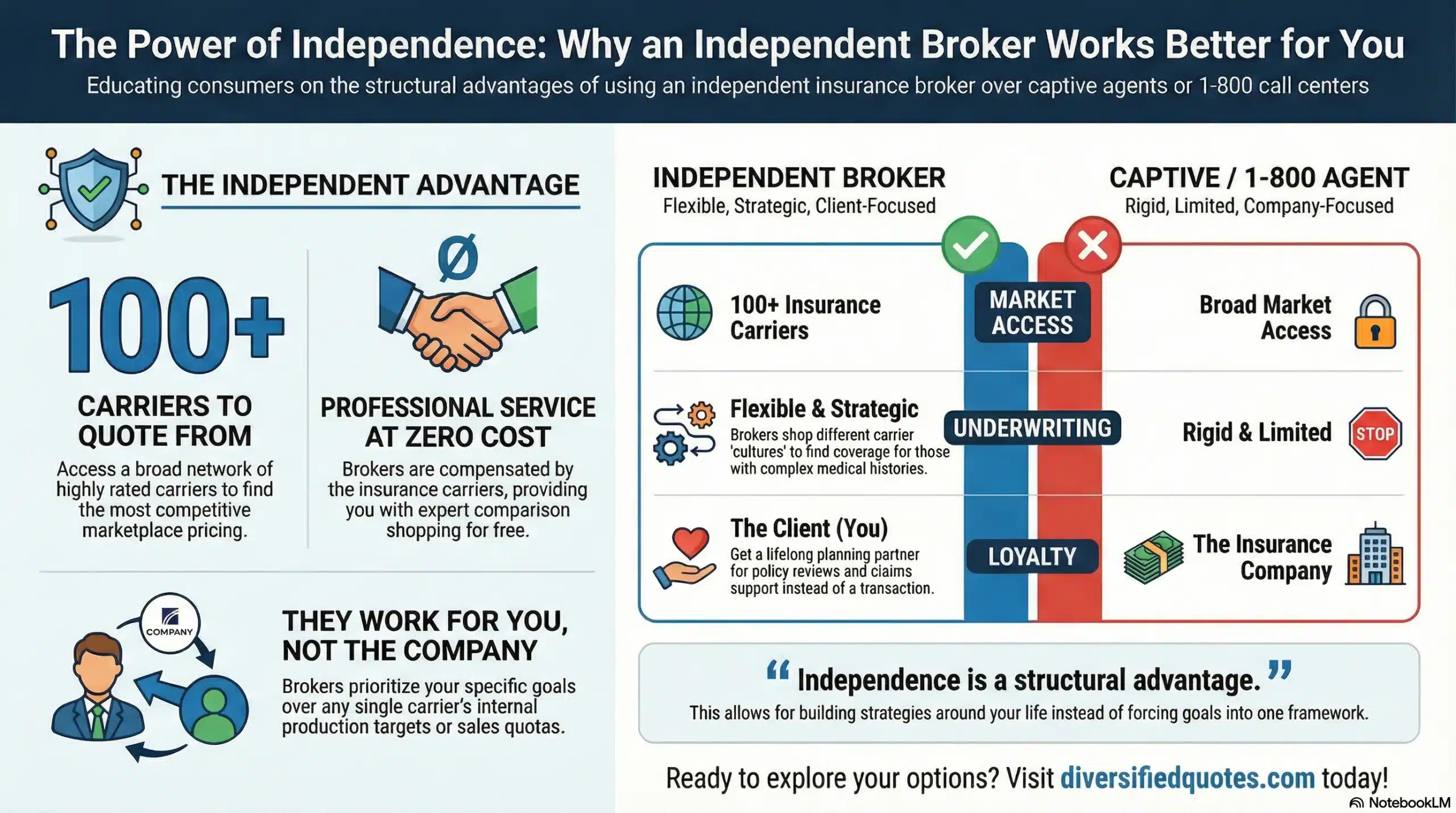
One of the most important steps in qualifying for accident insurance is choosing the right provider. Different insurers offer varying levels of coverage, pricing, and underwriting requirements. Working with an independent broker allows you to compare multiple options and find the best fit for your needs. This approach ensures that you are not limited to a single carrier’s offerings and can take advantage of competitive pricing.
It is also important to review policy exclusions and limitations carefully. Most accident insurance policies exclude certain high-risk activities or situations, such as extreme sports or injuries resulting from illegal activities. Understanding these exclusions helps prevent surprises at the time of a claim.
Another key consideration is how benefits are paid. Unlike traditional insurance policies that reimburse expenses, accident insurance typically provides fixed cash benefits. This means you can use the money however you choose, whether for medical bills, household expenses, or other financial needs. This flexibility is one of the reasons accident insurance is so popular.
Ultimately, qualifying for accident insurance is less about meeting strict requirements and more about selecting the right policy for your situation. With minimal underwriting, flexible options, and broad accessibility, accident insurance can be an effective way to enhance your financial protection. By understanding how the process works and exploring your options, you can secure coverage that provides peace of mind and financial security in the face of unexpected events.
Related Pages
Financial Protection Essentials
Talk With an Advisor Today
Choose how you’d like to connect—call or message us, then book a time that works for you.
Schedule here:
calendly.com/jason-dibcompanies/diversified-quotes
Licensed in all 50 states • Fiduciary, family-owned since 1980
Frequently Asked Questions
Most accident insurance policies are easy to qualify for and often require no medical exam. Some plans only ask basic health questions, while others are guaranteed issue.
In most cases, pre-existing conditions do not prevent you from qualifying for accident insurance because the coverage focuses on injuries rather than illnesses.
Accident insurance can be valuable because it provides cash benefits for unexpected injuries, helping cover medical bills, lost income, and other expenses.
Yes, individuals in higher-risk jobs can typically still qualify, although premiums may be higher due to increased risk exposure.
Benefits are usually paid as lump-sum cash payments directly to the policyholder, allowing flexibility in how the funds are used.
Yes, most policies exclude certain high-risk activities, self-inflicted injuries, and incidents related to illegal acts. It is important to review policy details carefully.
Working with an independent broker allows you to compare multiple carriers and find the best accident insurance coverage for your needs.
About the Author:
Jason Stolz, CLTC, CRPC and Chief Underwriter at Diversified Insurance Brokers (NPN 20471358), is a senior insurance and retirement professional with more than two decades of real-world experience helping individuals, families, and business owners protect their income, assets, and long-term financial stability. As a long-time partner of the nationally licensed independent agency Diversified Insurance Brokers, Jason provides trusted guidance across multiple specialties—including fixed and indexed annuities, long-term care planning, personal and business disability insurance, life insurance solutions, Group Health, and short-term health coverage. Diversified Insurance Brokers maintains active contracts with over 100 highly rated insurance carriers, ensuring clients have access to a broad and competitive marketplace.
His practical, education-first approach has earned recognition in publications such as VoyageATL, highlighting his commitment to financial clarity and client-focused planning. Drawing on deep product knowledge and years of hands-on field experience, Jason helps clients evaluate carriers, compare strategies, and build retirement and protection plans that are both secure and cost-efficient. Visitors who want to explore current annuity rates and compare options across multiple insurers can also use this annuity quote and comparison tool.
