
Is Long Term Care Insurance Expensive?

Jason Stolz CLTC, CRPC
Is long-term care insurance expensive? It can be—especially if you wait too long, choose richer-than-needed benefits, or skip the design choices that keep premiums efficient. But for many families, a right-sized plan costs far less than paying out of pocket for home health care, assisted living, memory care, or nursing care for years. The real question isn’t just “Is LTC expensive?” It’s whether the risk of needing care is expensive enough that you’d rather transfer part of that risk to an insurance company.
At Diversified Insurance Brokers, we help clients compare traditional long-term care insurance with hybrid life + LTC policies and asset-repositioning solutions like a non-qualified long-term care annuity. Our goal is to help you balance affordability with real-world protection so you don’t overbuy coverage—or underbuy it and end up self-funding the most expensive years.
See What Long-Term Care Coverage Would Cost for You
We’ll compare traditional vs. hybrid vs. annuity-based options and show how benefit choices change the premium.
Why long-term care insurance feels expensive
Long-term care insurance can feel expensive because it is protecting against a category of costs that can last a long time and escalate as needs increase. Long-term care isn’t only “nursing home care.” It includes in-home help, adult day care, assisted living, memory care, and skilled nursing. And unlike one-time medical bills, the cost of care is often recurring—month after month—while a spouse or family member is also dealing with emotional stress and logistical complexity.
Another reason LTC can feel expensive is that most people compare the premium to “nothing” rather than comparing it to what long-term care actually costs. If you’ve never priced private-pay home care or assisted living, it’s easy to assume it’s a manageable expense. In reality, even part-time home care can become full-time care, and a memory care need can extend for years. That’s why many families start by mapping out a plan using long-term care planning strategies, then deciding how much risk they want to keep and how much they want to insure.
What drives LTC insurance cost—and how to control it
LTC premiums are driven by your age and health, your selected benefit amount, the benefit period (or total pool), the elimination period, and the inflation protection you choose. The good news is that these are levers you can control. Most people do not need “maximum benefits.” They need a plan that covers the part of the risk that would otherwise derail retirement or force a spouse into financial triage.
The best way to control cost is to make sure each lever matches your situation rather than choosing options because they sound “safer.” Over-insuring can create premiums you won’t keep. Under-insuring can create a plan that doesn’t move the needle when you need it most. The sweet spot is a design that protects the retirement plan while staying affordable.
1) Age and timing
Buying earlier typically reduces premium for the same benefits and improves approval odds. Waiting can increase premiums and can reduce carrier options if your health history changes or medications shift. If you’re wondering whether you still have realistic options, start with how to qualify for long-term care insurance, because underwriting is often the gatekeeper—especially for mobility concerns, fall history, and cognitive indicators.
2) Health profile and underwriting
Many people assume LTC underwriting is like life insurance underwriting. It’s different. Long-term care underwriting looks hard at independence risk: mobility, balance, fall risk, cognitive history, and chronic conditions that affect day-to-day functioning. Even if you’ve been approved for other types of insurance, LTC underwriting can still be more selective.
This is also why “expensive” is relative. A plan can be priced higher because the carrier is accounting for higher claim probability. In those cases, it may be worth comparing alternate plan types—like hybrid life + LTC designs—or even repositioning assets with a non-qualified long-term care annuity if that is better aligned to your goals and underwriting profile.
3) Benefit amount and benefit period
The benefit amount is the most visible pricing lever. Higher daily or monthly benefits generally cost more. The key is choosing a benefit that fits what you’d actually do. Some households want coverage that supports home care and assisted living, then plan to use savings if skilled nursing is needed. Others want a policy that covers most of the projected cost in their area.
The benefit period (or total pool) is equally important. A short benefit period can lower premium, but it also increases the chance you’ll exhaust benefits during a longer claim—especially with cognitive decline. If you’re trying to balance cost and protection, a shared-benefit strategy can help couples protect against long-duration exposure without buying two “maximum” policies. That’s why shared benefits are often part of a value-focused design conversation.
4) Inflation protection
Inflation protection can be one of the biggest premium drivers, but it’s also one of the biggest value drivers. Without an inflation feature, a policy can look affordable today but become inadequate 15–25 years from now. Many people view 3% compound as a strong middle ground, though the right choice depends on age, projected retirement timing, and how much of your LTC risk you’re insuring.
If you want a refresher on how cost-of-living adjustments work conceptually in retirement planning, how COLA is calculated helps frame why inflation features matter when you’re planning for long time horizons.
5) Elimination period
The elimination period is like a time deductible. Choosing a longer elimination period (for example, 90 days) can reduce premium, especially if you have a reasonable emergency fund or you expect early care to be partially supported by family. The tradeoff is that you fund the initial window out of pocket before benefits begin.
If you want to see this decision in plain English with the tradeoffs spelled out, review LTC elimination periods explained before you lock in plan design.
Traditional, hybrid, and annuity-based LTC solutions: different “price logic”
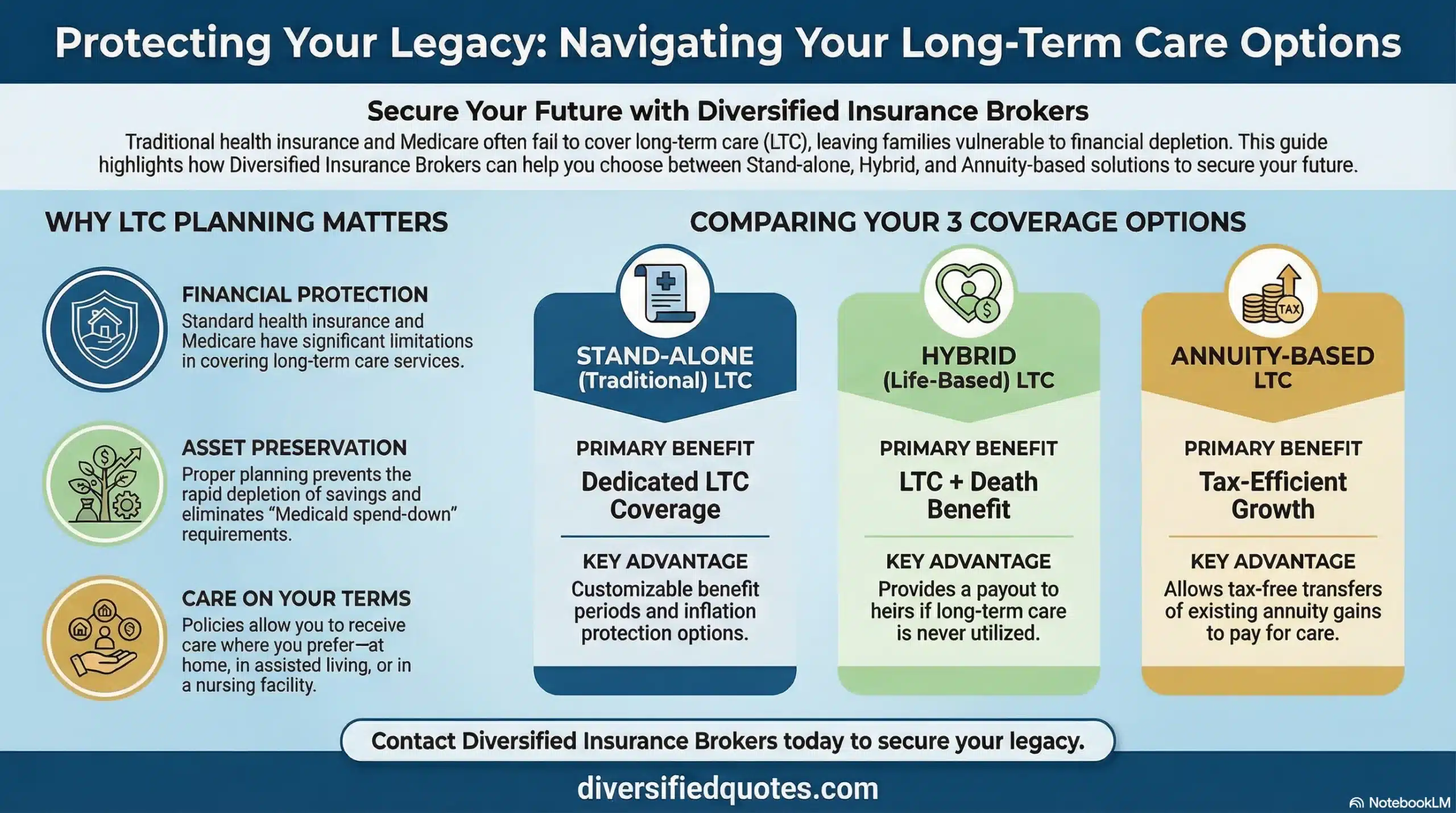
Another reason people ask “Is LTC expensive?” is that they compare different solutions as if they were the same product. Traditional LTC insurance, hybrid life + LTC policies, and annuity-based LTC designs have different pricing logic because they solve the problem differently.
Traditional LTC insurance is pure long-term care coverage. It often offers strong leverage—meaning a relatively reasonable premium can buy a meaningful pool of future benefits. For many people who want the maximum care dollars per premium dollar, traditional LTC is the cleanest path, assuming you qualify and the plan is designed correctly.
Hybrid life + LTC policies often appeal to people who want a benefit even if they never need care. The policy may provide LTC benefits while living and a death benefit if care is never used. Many buyers also like premium predictability and the clarity of “use it for care or leave it to heirs.” If you want the side-by-side framework, start with hybrid vs. traditional long-term care, then decide which direction best fits your priorities.
Annuity-based LTC solutions are often used for asset repositioning, especially when someone has non-qualified money sitting in low-yield accounts and wants to create a defined LTC benefit pool. Many people exploring this option start with non-qualified LTC annuities to understand how the funding mechanism works and why it may be attractive for certain households.
Because these solutions are built differently, the “cheapest premium” is not the same thing as the “best value.” One household wants maximum LTC leverage and chooses traditional. Another wants premium certainty and value-return features and chooses a hybrid. Another wants to reposition assets and chooses an annuity-based structure. Best value depends on which problem you’re solving.
Riders that can make premiums work harder
Some riders can improve value dramatically, especially for couples or for people who dislike “use it or lose it” insurance. Two common examples are shared benefits and return of premium features.
Shared care for couples. Shared care can let spouses access a combined pool of benefits if one spouse needs more care than expected. It can be a practical way to protect against the long-duration scenario while keeping premiums efficient. See LTC shared benefits for how these designs typically work.
Return of premium features. Some structures include ways to reclaim value if you never use the policy, which can make LTC feel less like “paying for nothing.” If that psychological barrier is part of your decision, review long-term care insurance with return of premium and compare it to hybrid designs that retain value through a death benefit mechanism.
Tax angles that can lower your net cost
LTC can be tax-favored depending on how the plan is structured and how you pay premiums. Some premiums may be deductible within IRS limits, and certain business owners may have additional planning angles that improve after-tax cost. Benefits used for qualified long-term care expenses are often treated favorably as well.
If taxes are a meaningful part of your decision, review tax benefits of long-term care insurance and tax advantages of LTC and hybrid policies to understand the categories of situations where net cost can be lower than the sticker premium suggests.
Will Medicare cover my long-term care needs?
Medicare does not pay for most long-term custodial care. Medicare is designed primarily for acute medical care and limited post-acute skilled needs, not ongoing help with daily activities or supervision due to cognitive impairment. This gap is one of the biggest reasons long-term care insurance exists.
If you’re weighing cost and you’re unsure where Medicare stops and LTC begins, review does Medicare cover long-term care? before you decide LTC is “too expensive.” Many families change their view once they see what long-term custodial care actually looks like financially.
Qualifying and buying smart
Underwriting can be tighter than most people expect. That’s why strategy matters—especially if you have a medical history or you’re trying to buy later. If timing is on your mind, start with how to qualify for LTC insurance, then calibrate the value question with is long-term care insurance worth the cost?.
For households where asset protection and Medicaid coordination are part of the long-term strategy, some states offer Partnership-qualified long-term care insurance. Those designs can influence plan structure and minimum features, which can also impact premium.
Right-Size Your LTC Plan (and Your Premium)
We’ll test benefit amounts, elimination periods, and inflation options to find a plan you can keep long term.
Run the numbers: what fits your budget?
One of the most helpful ways to answer “Is long-term care insurance expensive?” is to test the levers in real time. When you adjust monthly benefits, elimination periods, and inflation riders, you can see how premiums move—and you can decide what tradeoffs you’re actually comfortable making.
Open the Long-Term Care Insurance Calculator
When you’re ready, we’ll compare carriers, identify any health-based pricing you might qualify for, and outline alternatives if underwriting is tight so you can still build protection without overpaying for peace of mind.
Get Personalized LTC Options (Not Just a Quote)
We’ll show traditional, hybrid, and annuity-based designs so you can balance affordability with real protection.
Related Long-Term Care Reading
Deepen your understanding of value features, tax angles, shared benefits, and Partnership options.
Related Planning Pages
Helpful context for comparing solution types and understanding the Medicare coverage gap.
Talk With an Advisor Today
Choose how you’d like to connect—call or message us, then book a time that works for you.
Schedule here:
calendly.com/jason-dibcompanies/diversified-quotes
Licensed in all 50 states • Fiduciary, family-owned since 1980
FAQs: Is Long-Term Care Insurance Expensive?
How much does long-term care insurance usually cost?
Most policies for individuals in their 50s range from $1,500–$3,000 per year. Couples can often combine coverage for about $2,500–$4,000 annually, depending on benefits and inflation protection.
What’s the best age to buy long-term care insurance?
Buying coverage between ages 45–60 offers the best balance between cost and insurability. Waiting too long can make coverage much more expensive or result in denial due to health issues.
Can premiums increase over time?
Traditional LTC policies have level premiums, but insurers can request rate adjustments with state approval. Hybrid or asset-based LTC policies generally have guaranteed premiums that never rise.
Are LTC insurance premiums tax-deductible?
Yes—premiums may qualify as a medical expense deduction, especially for self-employed individuals or those itemizing deductions. Limits depend on age and IRS guidelines.
Is there a way to compare rates before applying?
Yes. You can use our Long-Term Care Insurance Calculator to estimate your premium range and benefits instantly.
What happens if I never use the policy?
Some policies include a return-of-premium or death benefit feature, refunding unused premiums to your beneficiaries or estate. Hybrid policies automatically include this benefit.
About the Author:
Jason Stolz, CLTC, CRPC and Chief Underwriter at Diversified Insurance Brokers (NPN 20471358), is a senior insurance and retirement professional with more than two decades of real-world experience helping individuals, families, and business owners protect their income, assets, and long-term financial stability. As a long-time partner of the nationally licensed independent agency Diversified Insurance Brokers, Jason provides trusted guidance across multiple specialties—including fixed and indexed annuities, long-term care planning, personal and business disability insurance, life insurance solutions, Group Health, and short-term health coverage. Diversified Insurance Brokers maintains active contracts with over 100 highly rated insurance carriers, ensuring clients have access to a broad and competitive marketplace.
His practical, education-first approach has earned recognition in publications such as VoyageATL, highlighting his commitment to financial clarity and client-focused planning. Drawing on deep product knowledge and years of hands-on field experience, Jason helps clients evaluate carriers, compare strategies, and build retirement and protection plans that are both secure and cost-efficient. Visitors who want to explore current annuity rates and compare options across multiple insurers can also use this annuity quote and comparison tool.
