
Disability Insurance for Museum and Library Curators
As an Independent Disability Insurance Broker, we have access to exclusive discounts and negotiated pricing most captive agents can’t offer — see the full breakdown near the end of this page.
Disability Insurance for Museum and Library Curators

Jason Stolz CLTC, CRPC, DIA, CAA
Museum and library curators occupy a professional category that most people — and even most insurance professionals — underestimate as a source of meaningful disability risk. The intuitive assumption is that a curator’s work is safe, sedentary, and intellectually demanding in ways that create no particular physical or chemical hazard. A peer-reviewed systematic review published in the journal Frontiers in Public Health specifically contradicts this assumption, documenting that archivists, curators, and collections professionals face multiple occupational hazards spanning chemical, biological, physical, and ergonomic dimensions — including chemical hazards from formaldehyde and toluene volatile organic compounds causing respiratory problems and neurological damage, biological hazards from mold and dust mites in archival collections leading to allergic reactions and respiratory diseases, and ergonomic stress from sustained workstation and collections-handling postures resulting in musculoskeletal injuries. Museum conservation literature additionally documents chronic low-level pesticide residue exposure from handling historical collections treated with now-banned preservatives, and ethylene oxide exposure from artifact sterilization procedures — a compound specifically classified as a carcinogen. Bureau of Labor Statistics data places the median annual wage for archivists, curators, and museum workers at $57,100 as of May 2024, making the income protection planning for these professionals a mid-income household financial protection question rather than a high-earner supplemental benefit question — meaning that an extended disability produces real and immediate financial hardship without the savings cushion that higher-compensated professions sometimes provide. The majority of curators and archivists are employed by museums, historical sites, governments, and universities — many of which provide group long-term disability coverage as an employee benefit — but the group plan structural limitations that affect all institutional employees apply here: 24-month own-to-any occupation transitions that eliminate coverage for a specialized cultural heritage professional whose knowledge cannot simply transfer to generic employment, and benefit ceilings that, at curator salary levels, may fully cover current income but cannot grow with career advancement without supplemental individual coverage in place.
At Diversified Insurance Brokers, Jason Stolz, CLTC, CRPC, DIA, CAA works with museum and library curators, archivists, conservators, and collections professionals across the full range of institutional and independent employment structures — curators employed by major metropolitan museums and art institutions with access to employer benefit plans, librarians and archivists at public library systems and academic institutions whose public employee benefit structures vary significantly by state and institution, independent curators and collections consultants who operate as self-employed professionals with no employer benefit baseline whatsoever, and academic researchers and faculty with curatorial roles at universities whose benefits packages vary from robust to inadequate. The physical, chemical, and occupational health dimensions of curatorial work that the research specifically documents make the coverage architecture for these professionals both more specific and more consequential than the occupation’s low-hazard public profile suggests.
Compare Disability Coverage for Curators and Archivists
We review coverage options across 100+ carriers and identify the policy structure that fits your curatorial income, institutional employment setting, and occupational hazard profile.
Curator and Archivist Disability Risk — Chemical Exposure, Ergonomic Strain, and the Specialized Career Protection Gap
| Risk Category | Research and Work Context | Resulting Disability Risk | Coverage Status | Income Protection Gap |
|---|---|---|---|---|
| Chemical hazards from conservation materials and VOCs | Peer-reviewed systematic review (Frontiers in Public Health, 2025) documents chemical hazards for archivists and curators including formaldehyde, toluene, and other VOCs causing respiratory problems and neurological damage; AIHA publications document potential for acute short-term solvent exposure during art restoration and chronic exposure to low-level particulate pesticide residues during routine collections handling; ethylene oxide — used for artifact sterilization, classified as a carcinogen — represents an additional chemical hazard for collections conservation staff | Occupational asthma, chronic respiratory sensitization, neurological conditions, or cancer from sustained exposure to conservation chemicals, solvents, and artifact preservation compounds — illness-based disabilities arising from the specific chemical environment of collections work | Workers’ comp covers acute documented chemical incidents for employed curators; gradual chemical exposure conditions disputed; group plans cover illness-based disability but 24-month own-occupation transition applies | Significant gap for gradual chemical exposure conditions; individual DI with unlimited mental health and illness coverage extends beyond group plan limitations |
| Biological hazards — mold, dust, and archival pathogens | The same 2025 systematic review documents biological hazards including mold and dust mites in archival environments leading to allergic reactions and respiratory diseases; library conservation literature specifically documents mold outbreaks in collections as hazardous to collections personnel, with mold more hazardous to those with allergies or respiratory problems; archival environments with inadequate ventilation and high material concentration are documented as prone to harmful substance accumulation | Occupational asthma, allergic alveolitis, or chronic respiratory conditions from sustained mold and dust exposure in archival storage environments — a biological hazard specific to the collections management work environment | Workers’ comp for documented acute mold exposure events; gradual biological sensitization outside workers’ comp incident framework; individual DI covers all qualifying illness causes | Gap for chronic biological exposure conditions; individual DI fills where workers’ comp ends and group plan transitions to any-occupation |
| Ergonomic and musculoskeletal conditions | The 2025 systematic review documents physical and ergonomic hazards for archivists including inadequate lighting causing eye strain, improper postures causing chronic physical ailments, and musculoskeletal injuries from sustained workstation and collections-handling demands; curators and archivists regularly move heavy archival boxes, position and transport artifacts and display materials, and sustain awkward postures during collections inspection and cataloguing | Back conditions from heavy archival material handling, carpal tunnel syndrome from sustained keyboard and cataloguing work, cervical disc conditions from sustained close-inspection postures — progressive musculoskeletal conditions from the physical demands of collections management | Acute incidents covered for employed curators; cumulative conditions disputed as non-occupational; individual DI covers all qualifying musculoskeletal causes | Significant gap for cumulative musculoskeletal conditions; individual DI covers disability from any qualifying cause without incident documentation requirement |
| Group plan own-occupation definition transition | Museum and library curators develop highly specialized knowledge — collection expertise, historical context, conservation methodology, institutional relationships — that represents significant career investment in a specific cultural heritage domain; the 24-month own-to-any occupation transition in employer group plans treats this specialized career knowledge as interchangeable with generic administrative or professional work for benefit purposes | Benefit termination at 24 months for a curator whose disability prevents their specific curatorial functions but who could theoretically perform generic sedentary employment — losing disability protection when a long-term disability has proven itself career-altering | Group plan provides own-occupation benefits to 24-month mark then transitions; individual own-occupation supplemental policy maintains the curatorial-specific standard to age 65 | Critical gap at 24-month transition; individual own-occupation supplemental coverage filling this gap is the most important feature for any curator with institutional group plan access |
| Mental health and occupational burnout | Museum and library professionals operate in institutions under sustained funding pressure — grant cycles, budget constraints, institutional politics — alongside the public-facing demands of exhibition planning, educational programming, and community engagement; the overwork dimension noted in the 2025 systematic review as a hazard for archivists reflects an occupational stress profile that institutional professionals across the cultural heritage sector document at elevated rates | Disabling anxiety, depression, or burnout preventing sustained curatorial, research, and institutional leadership functions — a mental health disability with direct career impact for a profession requiring sustained intellectual and relational engagement | Group plans cap mental health benefits at 24 months; individual DI with unlimited mental health benefit period is the only comprehensive long-term protection | Critical gap at 24-month group plan mental health cap; unlimited mental health benefit period in individual policy fills this gap completely |
| Illness-based disability (dominant probability) | Cancer, cardiac events, neurological conditions independent of curatorial work; approximately 90% of long-term disabling conditions are illness-based — the primary disability probability for any professional regardless of additional occupational exposures | Extended inability to perform the research, collections management, exhibition planning, and institutional leadership that curatorial income requires | Group plan covers illness-based disability but with 24-month definition transition, benefit ceiling, mental health cap, and taxability limitations | Individual own-occupation supplemental coverage eliminates the 24-month transition and fills all benefit ceiling gaps for the dominant disability probability category |
The table documents what makes the curator and archivist disability profile more complex than the occupation’s intellectual reputation suggests: a multi-dimensional hazard exposure documented in peer-reviewed literature spanning chemical, biological, ergonomic, and mental health dimensions, combined with the group plan structural limitations that most institutionally employed curators have accepted as adequate without examining the specific inadequacies that the 24-month definition transition and mental health cap create for a specialized professional career. Why curators and archivists prioritize income protection is answered by mapping these specific gaps against the household’s actual financial obligations during a disability period where the BLS-documented median income of $57,100 allows limited financial buffer without a policy-funded income floor.
The Chemical and Biological Hazard Dimension — What the Research Specifically Documents
The 2025 systematic review published in Frontiers in Public Health — the most comprehensive recent synthesis of archivist and curator occupational health research — identifies four distinct hazard categories for collections professionals: chemical hazards including formaldehyde and toluene VOCs causing respiratory and neurological damage; biological hazards including mold and dust mites producing allergic reactions and respiratory disease; physical hazards including inadequate lighting and temperature control causing eye strain and chronic physical ailments; and ergonomic hazards from overwork and improper postures producing musculoskeletal conditions. AIHA publications on museum and collections safety add further specificity: conservators, curators, and collections management staff face potential for both acute short-term solvent exposure during art restoration work and chronic exposure to low-level particulate pesticide residues from historical collections treated with now-banned preservatives during the twentieth century when arsenic, mercury, lead, and DDT were routinely applied to natural history collections.
The pesticide residue dimension is particularly notable: museum conservation research documents that many historical natural history, ethnographic, and archaeological collections were treated with pesticides that are now recognized carcinogens — including arsenic compounds, naphthalene, and organochlorines — and that museum workers who handle these collections may be exposed to residue levels that exceed current occupational exposure guidelines. A curator or collections manager who handles large volumes of these materials across a career is potentially accumulating exposures that standard occupational health guidance was not designed to quantify. These chronic low-level exposure scenarios are precisely the category that workers’ compensation handles most poorly — requiring a specific datable incident rather than recognizing the cumulative health consequence of sustained professional collections work. Individual long-term disability income coverage addresses the illness-based disability these exposures may produce without requiring the incident attribution documentation that workers’ comp demands. Short-term disability coverage addresses the immediate income gap following an acute chemical or biological exposure event before long-term coverage activates. Accident-only disability income insurance provides an accessible entry point for curators and archivists who want protection for acute physical and chemical exposure scenarios while building toward comprehensive coverage.
The Own-Occupation Standard — Why Specialized Cultural Heritage Knowledge Demands Specific Protection
The curatorial profession requires years of graduate education, field experience, and institutional specialization to develop the collection expertise, conservation methodology knowledge, historical context, and institutional relationships that define a working curator’s professional value. A museum curator who specializes in pre-Columbian textiles, a library archivist who has spent a career building expertise in nineteenth-century manuscript conservation, or a natural history collections manager with specialized knowledge of historical natural history collections handling — these professionals have built careers around specific knowledge domains that cannot be simply transferred to generic employment without losing the professional premium that the specialization creates.
The 24-month own-to-any occupation transition embedded in virtually all employer group long-term disability plans is specifically problematic for these specialized professionals. A curator whose disability prevents continued performance of curatorial functions — sustained reading and research, physical collections management, public programming leadership, grant writing and institutional advocacy — but who could theoretically perform generic clerical or administrative work may lose group plan benefits at exactly the point when the disability has proven itself long-term, on the grounds that some other sedentary work is theoretically possible. An individual own-occupation disability policy that specifically covers the inability to perform curatorial or archival work maintains the own-occupation standard beyond 24 months through age 65 — protecting the specialized career knowledge that represents the professional’s actual income-generating value. The residual disability provision addresses the realistic partial-disability scenario — a curator who can manage limited hours or specific functions during recovery but cannot perform the full curatorial work schedule — paying proportionally based on actual income reduction from partial disability. Understanding how short-term and long-term disability structures coordinate is important for curators whose disability scenarios range from the recoverable — a back injury from moving archives requiring several months of healing — to the career-altering, where a chemical exposure illness produces permanent limitations on collections handling work.
Institutional Employment, Group Plans, and What Individual Coverage Needs to Address
Most museum and library curators are employed by institutions — museums, historical societies, public library systems, academic libraries, government archives — that provide group long-term disability coverage as part of an employee benefits package. These institutional plans provide a meaningful baseline but carry the same four structural limitations that make supplemental individual coverage worthwhile for any specialized professional: the 24-month definition transition, the mental health benefit cap at 24 months, the benefit ceiling that may not keep pace with career advancement, and the loss of coverage at any institutional employment change. For curators at smaller regional museums or community libraries where compensation may be at or near the BLS median, the benefit ceiling limitation is less acute — the group plan’s cap may adequately cover current income. But the 24-month definition transition and the 24-month mental health cap are structurally inadequate regardless of income level, because the specialized career knowledge that takes years to build is exactly what the any-occupation standard fails to protect.
Public employee group disability plans — available to librarians and archivists employed by state and municipal library systems — vary significantly by jurisdiction in their specific terms, but generally share the same structural limitations of private employer group plans with the additional complexity of state-specific benefit structures that may not be portable if the archivist or librarian moves between public positions. Guaranteed issue group disability coverage through professional associations such as the Society of American Archivists or American Alliance of Museums provides an additional coverage tier worth evaluating alongside individual supplemental coverage. The full rider landscape for a curator’s supplemental individual policy includes the future increase option for early-career curators whose income will grow with institutional advancement, and the cost of living adjustment rider for permanent disability scenarios where the benefit must maintain purchasing power across decades.
Independent Curators and Collections Consultants — The Complete Coverage Gap
A growing segment of the cultural heritage professional workforce operates as independent curators, freelance archivists, collections consultants, and exhibition designers who work on project-based contracts with institutions rather than as permanent employees. This independent consulting model — which provides professional flexibility and the ability to work across multiple institutional relationships — simultaneously eliminates every employer benefit baseline that permanent employment occasionally provides. An independent curator who consults on exhibition development for three or four museums annually, or a freelance archivist who processes collections on contract, carries no workers’ comp for their own injuries, no employer group LTD plan, and no income floor when a disability eliminates their ability to deliver contracted work.
Income protection for independent cultural heritage contractors and coverage for 1099-earning curatorial consultants is fully available through individual disability insurance — documented from Schedule C income averaged across two to three years, with the maximum approvable monthly benefit based on documented average consulting income. The project-based nature of independent consulting income — higher in active project years, lower between major engagements — is smoothed by the multi-year averaging approach. Self-employed independent curators and archivists receive the same favorable occupational class as their institutionally employed counterparts — reflecting the cognitive, research-based, and professional character of the work — producing competitive premium rates that make comprehensive individual disability insurance genuinely accessible relative to professional consulting income levels.
Policy Design and Planning for Cultural Heritage Professionals
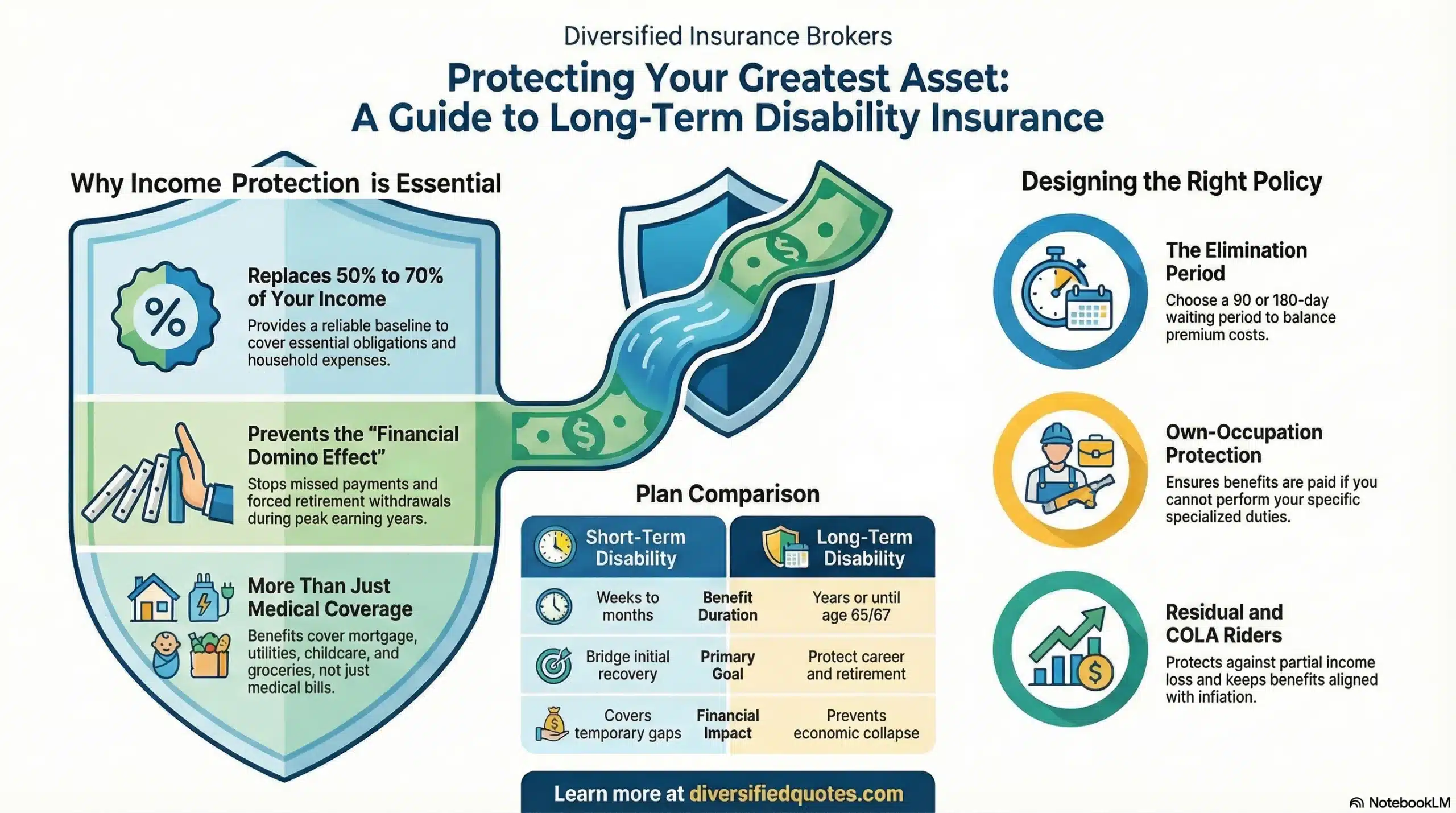
Curators, archivists, and museum workers receive favorable occupational class assignments from most disability insurance carriers — upper-middle to top-tier classifications reflecting the primarily cognitive, research-based, and professional character of the work. This favorable class produces competitive premium rates that make comprehensive individual coverage accessible at the BLS-documented median income level of the profession. How much disability income a curator actually needs depends on documented institutional salary or consulting income, household financial obligations, and for those with meaningful student loan debt from advanced degrees in museum studies, library science, or art history, the loan service obligations that a disability period would need to fund. The elimination period for an employed curator with institutional salary continuation benefits should coordinate with those benefits — a 90-day or 180-day elimination period that allows institutional salary continuation to bridge the immediate gap before long-term individual benefits activate. Coverage for curators with prior respiratory, musculoskeletal, or health histories from collections work is available through independent broker comparison across carriers with varying guidelines for cultural heritage occupation health histories. Specialty and modified coverage options address curators whose documented health history creates standard underwriting complexity. No-exam coverage provides streamlined approval for healthy curators and archivists at appropriate benefit amounts. Getting the best available rates as a collections professional means applying before any occupational health histories from chemical or biological collections exposure develop, at the youngest available age with the lowest age-rated premium. Why early-career curators need income protection before collections exposure histories accumulate is answered directly by the peer-reviewed research: the chemical and biological hazards documented in archival and collections environments have cumulative health consequences that develop with exposure time, and the window to purchase comprehensive coverage before those health consequences appear in medical records closes as careers progress through collections work. Early-career disability coverage for new museum and library professionals specifically addresses the entry point for graduate-degreed collections professionals entering the field. Whether disability insurance is worth the cost for a cultural heritage professional is answered by the same calculation that applies to any professional: the cost of the policy against the income loss it prevents, in a field where BLS documents the median at $57,100 annually and where a six-month disability without income floor would represent a devastating household financial disruption. Whether disability benefits are taxable for a curator: individually purchased policies paid with after-tax personal income generally produce tax-free benefits — the full monthly benefit reaches the household without income tax reduction, making the effective replacement rate meaningfully higher than a comparable taxable group plan benefit. A second opinion on any disability insurance proposal for a museum or library professional confirms whether the own-occupation definition, mental health benefit terms, and chemical/biological illness coverage are as comprehensive as the full market provides before any premium commitment is made.
Get Your Curator and Archivist Coverage Review
We compare own-occupation definitions, group plan gap analysis, and curatorial income documentation across 100+ carriers to build the protection that fits your collections career.
Talk With an Advisor Today
Choose how you’d like to connect—call or message us, then book a time that works for you.
Schedule here:
calendly.com/jason-dibcompanies/diversified-quotes
Licensed in all 50 states • Fiduciary, family-owned since 1980
FAQs: Disability Insurance for Museum and Library Curators
My museum provides group long-term disability — why would I need individual supplemental coverage as a curator?
Museum employer group LTD plans provide a meaningful baseline — and for many curators at larger institutions, the group plan adequately covers the current income level and provides genuine short-term disability protection. The structural limitations that make supplemental individual coverage worthwhile are not primarily about benefit amount for most curators; they are about policy definition and mental health coverage duration. The 24-month own-to-any occupation transition means that a curator whose disability prevents continued performance of curatorial functions — sustained research, physical collections management, exhibition planning, grant writing — may lose group plan benefits at 24 months if they could theoretically perform some other sedentary employment. For a specialized cultural heritage professional who has spent years building domain-specific expertise, the any-occupation standard eliminates protection for the career premium that specialization creates, at exactly the point when a long-term disability has proven itself real and persistent.
The 24-month mental health benefit cap is the second equally consequential limitation. Museum professionals operate in institutions under sustained funding pressure, grant cycle anxiety, and the institutional politics of cultural organizations — an occupational stress profile that creates genuine mental health disability risk. A group plan that caps mental health benefits at 24 months leaves a curator with disabling depression or anxiety without income protection at the point when the condition has proven itself to require extended treatment. An individual own-occupation supplemental policy with unlimited mental health benefit period fills both gaps simultaneously — maintaining the curatorial-specific disability standard beyond 24 months and continuing mental health coverage without cap. A second opinion on any museum group plan specifically maps these two gaps against the household’s actual financial obligations during a potential long-term disability before any decision about supplemental coverage is made.
Are the chemical and biological hazards of museum and archival work actually significant enough to affect my disability risk?
Peer-reviewed research published in 2025 in Frontiers in Public Health specifically documents that archivists and curators face multiple occupational hazards that contribute to a range of health issues — including chemical hazards from VOCs causing respiratory problems and neurological damage, and biological hazards from mold and dust mites leading to allergic reactions and respiratory diseases. This is not theoretical occupational health concern — it is the conclusion of a systematic review of the scientific literature on archivist and curator occupational exposure. AIHA publications on museum and collections safety additionally document chronic exposure to low-level particulate pesticide residues during routine handling of historical collections, and the use of ethylene oxide — a classified carcinogen — in artifact sterilization procedures.
The disability insurance planning implication is straightforward: the illness-based disabilities that can result from these chemical and biological exposures — respiratory conditions, allergic sensitization, neurological effects — are not covered by workers’ compensation when they develop gradually without a single datable incident. They are, however, covered by individual disability insurance when the qualifying medical condition prevents the curator from performing their professional functions. Coverage for curators with prior respiratory conditions from collections exposure is available through independent broker comparison — though as with all occupational health conditions, early purchase before any respiratory or chemical exposure history has developed in medical records produces the most comprehensive coverage at the most favorable terms. The cumulative nature of chemical and biological occupational exposure makes early-career purchase the most effective protective strategy for curators and archivists in collections environments.
Are disability insurance benefits taxable for a curator or archivist?
The tax treatment depends on who pays the premium. For curators and archivists who purchase individual disability insurance personally with after-tax personal income, monthly disability benefits received during a qualifying disability are generally received income-tax-free. The full benefit amount reaches the household without income tax reduction — a significant planning factor at the BLS-documented median income of $57,100 where household financial obligations are generally calibrated to that full net income level. Understanding the full tax treatment of disability insurance benefits affects how to size the benefit correctly: a tax-free individually purchased benefit should cover actual after-tax take-home income, ensuring genuine replacement of what was lost without a tax reduction on top of the income disruption.
For curators whose museum or library employer pays group LTD premiums, resulting disability benefits are typically taxable as ordinary income — reducing the effective replacement rate below the stated group plan percentage. A group plan stating 60 percent income replacement may deliver closer to 45 to 48 percent of actual take-home pay after federal income taxes at a curator’s marginal rate, creating a meaningful practical shortfall against household obligations during a disability period. Individual supplemental coverage purchased personally with after-tax income delivers tax-free benefits on top of the taxable group plan benefit — making the combination more financially effective than either policy alone at any benefit amount level. For archivists and curators in public employee group plans whose premium arrangements may differ from standard private employer group plans, a tax professional should confirm the specific taxability of plan benefits before relying on the group plan replacement rate as stated in the plan documents.
I’m an independent curator working on project contracts — how does disability insurance work for my situation?
As an independent curator working on project contracts, you are entirely self-employed — and individual disability insurance is the complete protection system rather than a supplement to anything else. There is no employer group plan, no workers’ compensation for your own injuries or illnesses, and no income floor when a disability eliminates your ability to deliver contracted curatorial work. Individual disability insurance purchased personally — documented from your Schedule C consulting income averaged across two to three years — provides the monthly benefit that replaces a portion of your project-based income when a qualifying disability prevents you from working.
The income documentation for an independent curator follows the Schedule C framework: all consulting fees, exhibition development fees, collections assessment income, and any other earned curatorial income is captured in the benefit basis calculation. The project-based nature of independent curatorial work means income may vary year to year based on project volume — the multi-year averaging approach specifically addresses this by using a sustainable average rather than rewarding a peak contract year or penalizing a lighter year. The residual disability benefit provision is particularly valuable for independent curators because realistic disability scenarios — a condition allowing limited project work but not full contracted workload — produce income reduction rather than complete cessation; a residual benefit pays proportionally based on actual income reduction. For independent curators building a growing consulting practice, the future increase option allows benefit increases as documented consulting income grows without new medical underwriting — preserving the favorable early-career health-based terms as the consulting portfolio develops and expands.
I’m a new curator just entering the field with graduate debt — when should I get disability insurance?
At career entry — specifically before any collections handling exposure has had time to produce the respiratory or chemical sensitivity histories that the peer-reviewed research documents as occupational hazards for archivists and curators. A new museum studies or library science graduate entering their first professional collections role has a health record that is genuinely clean of any occupational exposure consequence, and disability insurance purchased at that point — with comprehensive illness coverage including full respiratory and chemical exposure condition coverage — secures protection that becomes progressively less comprehensive as each year of collections work potentially builds an occupational health record.
The student loan dimension adds equivalent urgency: a new curator with $60,000 to $100,000 in graduate program debt entering the field at the BLS median salary of $57,100 is in the financial position where a disabling illness or injury is most consequential — limited savings, maximum loan balance, and the full career repayment horizon ahead. Disability insurance at this career stage provides the income floor that keeps loan repayment on track and prevents a two-year disability from becoming a permanent financial setback. Premium rates are age-rated, meaning early purchase locks in the lowest available annual rates for the full career duration. The future increase option allows benefit increases as curatorial income advances from entry-level to senior curator to department director without new medical underwriting — preserving comprehensive coverage terms through the full income trajectory. Why early-career cultural heritage professionals need income protection before exposure histories accumulate is answered directly by the systematic research: the chemical and biological hazards documented for archivists and curators have cumulative health consequences whose window to insure comprehensively is before, not after, the career’s collections exposure accumulates.
Does disability insurance cover mental health conditions like burnout or anxiety for a museum professional?
Yes — individual disability insurance covers qualifying disability from mental health conditions including anxiety disorders, depression, and burnout when those conditions meet the policy’s disability definition. The 2025 systematic review on archivist occupational hazards specifically identifies overwork as a documented hazard category, reflecting the institutional workload pressure, grant cycle anxiety, and sustained professional demands that characterize museum and library professional roles. A curator or archivist who develops a disabling anxiety disorder or depressive condition that prevents the sustained intellectual engagement, institutional relationship management, and professional leadership that curatorial work requires has experienced a genuine occupational disability — one that workers’ compensation does not cover and that group plans cap at 24 months.
Individual disability insurance with unlimited mental health benefit periods specifically provides coverage for psychiatric disability beyond 24 months for as long as the qualifying condition prevents the curator from performing their professional functions. Confirming before purchase that the policy’s mental health benefit period is genuinely unlimited — not capped at 24 or 36 months with language that could be confused for unlimited coverage — is the most important mental health coverage due diligence step for any museum or library professional selecting disability insurance. Coverage for curators with prior mental health treatment histories is available through independent broker comparison — though as with all prior health conditions, early purchase before any treatment history is documented produces the most comprehensive available mental health coverage without exclusion riders. The mental health benefit period and the own-occupation definition are the two policy features that most specifically serve the curatorial profession’s documented disability risk profile, and both should be confirmed in writing before any premium commitment is made.
About the Author:
Jason Stolz, CLTC, CRPC, DIA, CAA and Chief Underwriter at Diversified Insurance Brokers (NPN 20471358), is a senior insurance and retirement professional with more than 25 years of real-world experience helping individuals, families, and business owners protect their income, assets, and long-term financial stability. As a long-time partner of the nationally licensed independent agency Diversified Insurance Brokers, Jason provides trusted guidance across multiple specialties—including fixed and indexed annuities, long-term care planning, personal and business disability insurance, life insurance solutions, Group Health, Travel Medical and Evacuation Insurance, and short-term health coverage. Diversified Insurance Brokers maintains active contracts with over 100 highly rated insurance carriers, ensuring clients have access to a broad and competitive marketplace.
His practical, education-first approach has earned recognition in publications such as VoyageATL, and contributions from his agency featured in Kiplinger and GoBankingRates— highlighting his commitment to financial clarity and client-focused planning. Drawing on deep product knowledge and years of hands-on field experience, Jason helps clients evaluate carriers, compare strategies, and build retirement and protection plans that are both secure and cost-efficient. Visitors who want to explore current annuity rates and compare options across multiple insurers can also use this annuity quote and comparison tool.
Explore More Disability Insurance Options: Browse our complete guide to Disability Insurance for Technology, Science & Education — covering software developers, engineers, scientists, teachers, architects & researchers from 100+ carriers.
Last Reviewed: June 8, 2026 |
Reviewed by: Jason Stolz, CLTC, CRPC, DIA, CAA
Chief Underwriter, Diversified Insurance Brokers, Inc. | NPN: 20471358 | Diversified Insurance Brokers, Inc. — Licensed in all 50 states
Fact Checked by: Tonia Pettitt, CMIP©
Medicare Specialist, Diversified Insurance Brokers, Inc. | NPN: 14374308 | Diversified Insurance Brokers, Inc. — Licensed in all 50 states
Did you find this content helpful? Leave us a Google review — it helps others find trustworthy guidance too.
Editorial Standards: Diversified Insurance Brokers maintains rigorous editorial standards to ensure accuracy, clarity, and independence in all content. Learn more about our editorial standards and commitment to transparency.
