
Life Insurance for Heart Transplants
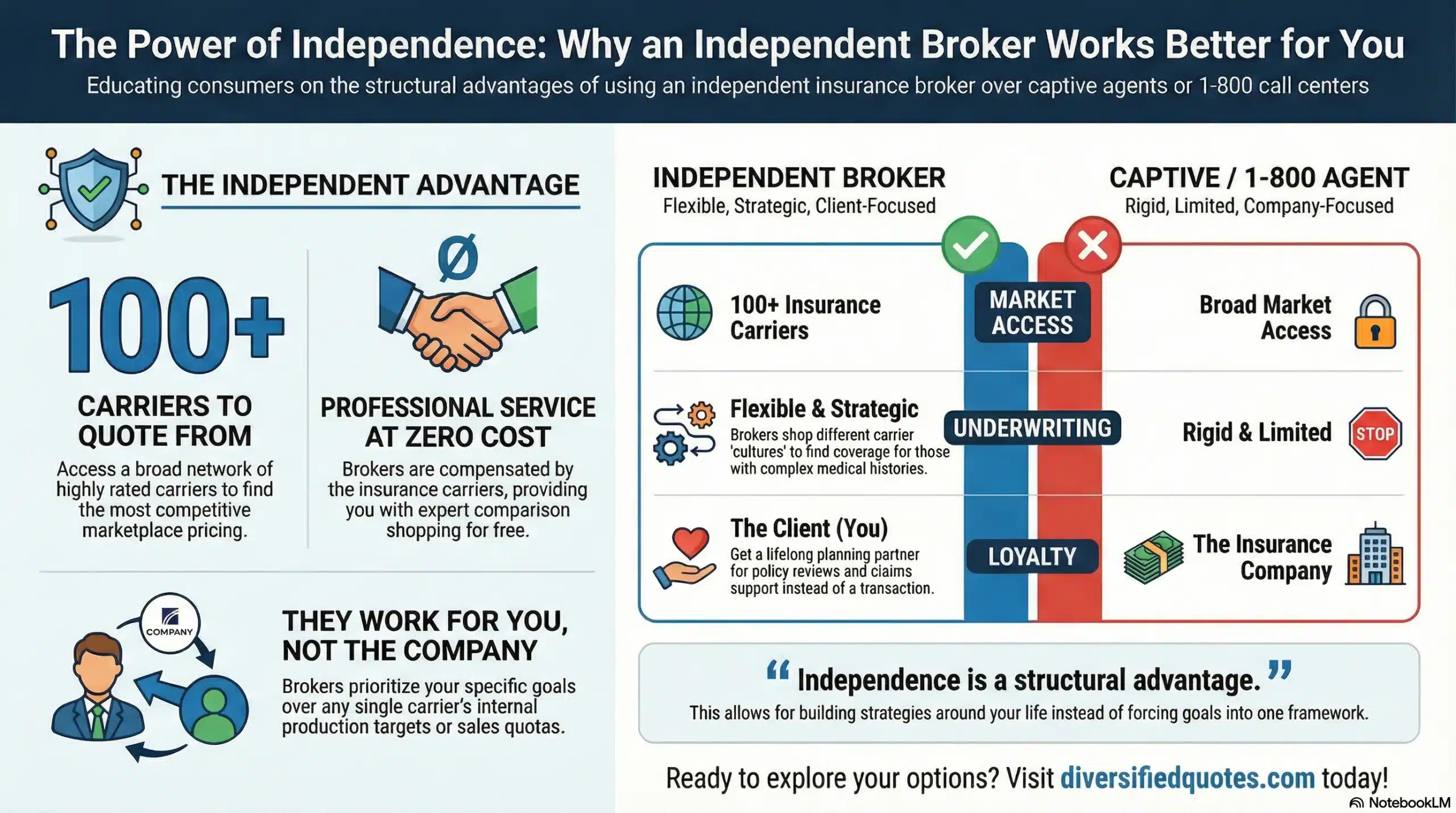
As an Independent Life Insurance Broker, we compare rates across 100+ carriers and prescreen every application before submission.
Life Insurance for Heart Transplants

Jason Stolz CLTC, CRPC, DIA, CAA
Life insurance for heart transplants is possible for many recipients — but it requires the right carrier match, precise documentation, and a structured submission that addresses the specific questions underwriters focus on when evaluating transplant cases. Many heart transplant recipients assume coverage is automatically out of reach because their medical history is considered high-risk. In practice, some carriers will consider transplant histories when follow-up care is consistent, cardiac function is stable, and the overall clinical picture supports a favorable long-term outlook. The difference between a decline and a meaningful offer is rarely about the transplant itself — it is almost always about how well the application tells the stability story and whether it reaches a carrier with underwriting guidelines that actually accommodate organ transplant histories.
At Diversified Insurance Brokers, we specialize in high-risk medical underwriting for exactly these situations. Our role is not to submit applications to every carrier and hope something sticks — it is to identify the carriers whose guidelines are compatible with your specific transplant history, organize your medical documentation to support the strongest possible narrative, and present the file in a way that gives underwriters the information they need to evaluate your case fairly rather than defaulting to a conservative outcome. For a broader overview of transplant underwriting across different organ types, our resource on life insurance for people with organ transplants covers the general framework, and our resources on life insurance for kidney transplants, life insurance for liver transplants, and life insurance for lung transplants cover the parallel underwriting considerations for other organ types.
See Real-Term Rates Side by Side
Life Insurance Quoter
Get a Heart Transplant Life Insurance Review
We’ll compare fully underwritten options from transplant-experienced carriers and confirm what’s realistic before you apply.
Request a ReviewCan You Get Fully Underwritten Life Insurance After a Heart Transplant?
Some heart transplant recipients can qualify for fully underwritten life insurance — but the realistic expectation depends on several variables that are unique to each applicant’s situation. Heart transplant underwriting is not a binary question of “do they take transplant cases or not.” It is a case-by-case evaluation that depends on how long the applicant has been stable, what the clinical record shows, whether there have been complications and how they resolved, and whether the applicant’s overall health profile supports a favorable long-term actuarial picture.
The realistic goal for most transplant applicants is not a preferred or preferred-plus rate class — those tiers are reserved for applicants with no significant health history. The realistic goal is meaningful coverage with a rate structure that reflects documented stability rather than worst-case assumptions, from a carrier that genuinely understands long-term transplant outcomes rather than one that simply defaults to a decline whenever a transplant appears on the application. That type of coverage — a policy that protects family, covers a mortgage, supports income replacement, or creates a lasting financial safety net — is achievable for well-documented, stable transplant recipients through the right carrier and submission process.
The most important variable that determines whether a heart transplant case reaches a positive outcome is not the transplant itself. It is the documentation — how clearly, consistently, and completely the applicant’s stability story is presented to the underwriter. A carrier that would otherwise consider a heart transplant case will frequently decline or postpone a file with incomplete or fragmented records, because incomplete records leave the underwriter to fill in gaps with conservative assumptions. Conversely, a well-organized file that anticipates the underwriter’s questions and answers them with consistent clinical evidence gives the best available chance of a favorable outcome from any carrier willing to evaluate the case.
Why Heart Transplant Underwriting Is Uniquely Challenging
From an actuarial perspective, a heart transplant is one of the most serious events in a person’s medical history — not because the transplant itself is a continuing problem, but because of what it represents: the complete failure and replacement of the body’s most critical organ. Even when the transplant outcome is excellent, underwriters must evaluate the long-term risk profile of a person who lives with immunosuppression, requires lifelong specialty monitoring, and has an underlying vulnerability that most policyholders in their risk pool do not share. This is why transplant cases are always treated as high-severity events in the underwriting classification system, regardless of how well the individual is doing.
Beyond the transplant itself, heart transplant underwriting involves multiple overlapping risk factors that each require independent evaluation. The underlying condition that necessitated the transplant — whether cardiomyopathy, congenital heart disease, severe cardiac failure, or another cause — carries its own actuarial significance. The immunosuppression required to prevent rejection affects the immune system’s response to infection and can increase the risk of certain secondary conditions over long time horizons. And the specific post-transplant complications that any individual may have experienced — rejection episodes, infections, cardiac allograft vasculopathy, or kidney function impacts from immunosuppression — each add layers to the underwriting analysis.
None of these factors are disqualifying on their own. Each carrier that is open to heart transplant cases has its own set of guidelines that determine how these factors are weighted relative to the applicant’s post-transplant stability. The underwriting outcome depends on how favorably those guidelines align with the specific applicant’s profile — which is why carrier selection is the most important strategic decision in any transplant life insurance placement. Working with an independent broker who actively places high-risk cases and knows which carriers have transplant-compatible guidelines is fundamentally different from submitting a standard application through a carrier that has not developed those guidelines. Our resource on best high-risk life insurance companies covers the carrier landscape for complex medical histories, and our high-risk life insurance playbook covers the overall strategy for approaching difficult-to-place cases.
Heart Transplant Underwriting Factors: Favorable vs. Concerning
The underwriting evaluation of a heart transplant case is essentially a documentation review — underwriters want to see evidence of sustained stability across the specific factors that predict long-term transplant success. The table below maps the key underwriting factors to the indicators that support favorable outcomes versus those that raise concerns. Understanding this framework helps applicants prepare the strongest possible file and manage expectations about timing and likely outcomes.
Key Underwriting Factors for Heart Transplant Life Insurance Cases
| Underwriting Factor | Favorable Indicators | Concerning Indicators |
|---|---|---|
| Time Since Transplant | 5+ years of documented, stable post-transplant history | Recent transplant (typically under 2–3 years); many carriers require a minimum stability window |
| Rejection History | No rejection episodes; or early episodes fully resolved with sustained long-term stability since | Recent rejection; multiple or recurrent episodes; ongoing rejection management |
| Cardiac Function | Strong ejection fraction; normal rhythm; no device implantation; stable hemodynamics | Reduced ejection fraction; ongoing arrhythmia; pacemaker or ICD; hemodynamic instability |
| Transplant Follow-Up | Regular, consistent specialist monitoring; current follow-up notes available; no missed appointments | Sporadic or incomplete follow-up; gaps in monitoring; outdated records |
| Immunosuppression Adherence | Stable regimen; consistent medication adherence documented; stable drug levels | Medication non-compliance; dose escalations; recurrent level fluctuations |
| Infection History | No serious post-transplant infections; or resolved infections with clear clinical recovery | Recurrent serious infections; hospitalization for infection; ongoing infection management |
| Comorbidities and Secondary Conditions | Well-controlled or absent comorbidities; stable kidney function; controlled metabolic markers | Kidney function decline; poorly controlled diabetes; uncontrolled blood pressure; cardiac allograft vasculopathy |
| Overall Health Profile | Healthy weight; no tobacco; controlled blood pressure and lipids; good functional status | Tobacco use; obesity; poorly controlled cardiovascular risk factors; low functional capacity |
Understanding where your profile falls across these eight dimensions is the starting point for realistic carrier selection and submission strategy. A profile that is favorable across most of these factors — particularly time since transplant, rejection history, cardiac function, and follow-up consistency — has meaningfully different placement potential than a profile with several concerning indicators across multiple dimensions. Our resource on how to get life insurance with health issues covers the broader strategic framework for approaching complex medical histories in life insurance underwriting.
Time Since Transplant: The Most Critical Underwriting Variable
Among all the factors underwriters evaluate in heart transplant cases, the length of the post-transplant stability window is typically the most determinative for whether traditional fully underwritten coverage is available at all. Most carriers that will consider heart transplant cases require a minimum period of post-transplant stability before a fully underwritten application will even be reviewed — and the practical threshold for meaningful carrier access is typically three to five or more years of documented stable post-transplant history, with longer windows generally producing better underwriting outcomes.
The rationale for this timing requirement is actuarial rather than arbitrary. The first year or two after a heart transplant represents the highest-risk period for rejection, infection, and other complications. Carriers that will consider transplant cases want to see that the recipient has successfully navigated the highest-risk window and demonstrated stable, well-monitored function over an extended period before they are willing to take the mortality risk. An applicant who is two years post-transplant with no complications presents a very different risk profile than the same applicant at six years post-transplant with a clean stability record — even though the underlying transplant event is identical. The documented stability window is the evidence that the transplant has been a long-term success, not just an initial success.
Applicants who are in the early post-transplant period — typically within two to three years — may face a genuine waiting period before traditional underwriting becomes accessible, regardless of how well the recovery is progressing. In these situations, the planning strategy may involve alternative solutions that provide protection now while the applicant builds toward the stability window that opens better traditional coverage options later. Understanding what is available at different post-transplant timelines is part of the planning conversation we have with every transplant applicant, rather than simply applying to traditional carriers before the timing is realistic.
The Documentation That Drives Favorable Outcomes
Heart transplant underwriting is built entirely on documentation quality. A carrier that would otherwise consider a transplant case will frequently decline or postpone an application that has incomplete or fragmented records, because incomplete records leave the underwriter to fill in gaps with conservative assumptions — and in high-risk cases, conservative assumptions almost always produce poor outcomes. Conversely, a well-organized, comprehensive file that anticipates the underwriter’s questions and answers them with consistent clinical evidence creates the conditions for a real evaluation rather than a reflex decline.
The documentation that matters most in heart transplant cases centers on the transplant follow-up record — the longitudinal series of cardiology and transplant specialist notes that document how cardiac function has behaved since the transplant, what testing has been done, how often the applicant has been seen, and what the clinical trajectory looks like. Underwriters want to see a story of consistent success over time, not just a recent clean snapshot. Recent notes showing excellent function are valuable, but they are most convincing when they are part of a long series of consistent notes demonstrating the same stability over years rather than months.
The cardiac function documentation specifically matters because it is the most direct measure of transplant success. Key metrics that underwriters typically evaluate include ejection fraction trends over time, rhythm stability and whether any rhythm issues have emerged or been treated, blood pressure and hemodynamic control, coronary imaging results (to assess for cardiac allograft vasculopathy, a long-term complication that can affect transplanted hearts), and any device implantation history. When these metrics are consistently strong and well-documented over the applicant’s post-transplant history, they provide the most powerful evidence available that the transplant has been a durable success.
Rejection and infection history requires clear documentation with timeline specificity. If rejection episodes occurred, underwriters need to know when they happened, how severe they were, what treatment was required, and — critically — what the documented outcome has been since. A rejection episode early in the post-transplant period that was completely resolved and has been followed by years of clean monitoring is a very different underwriting item than a recent or recurrent rejection history. The same applies to infection history: timing, severity, treatment, and documented recovery are all relevant, and the absence of recent events following any historical complications is meaningful evidence that the clinical picture has stabilized.
Policy Types That May Be Available to Heart Transplant Recipients
Heart transplant applicants may qualify for different types of life insurance depending on their specific clinical profile, the timing since their transplant, and which carriers have guidelines compatible with their history. Understanding the options and their tradeoffs allows applicants to set realistic expectations before the process begins.
Term life insurance is typically the most practical option when it is available because it offers the largest death benefit per premium dollar, making it the most efficient structure for income replacement, mortgage protection, and family financial security goals. Not every transplant applicant will qualify for term coverage — term underwriting tends to be more selective because the carrier’s exposure extends over the entire level premium period. But when term coverage is available, it is often the strongest tool for the protection goals most transplant applicants are trying to achieve.
Permanent life insurance may be available in some cases, particularly for applicants with long, well-documented post-transplant stability and an overall health profile that supports it. Permanent coverage can be valuable when the goal is lifelong protection rather than time-limited coverage — particularly for estate planning, legacy goals, or situations where the applicant may want coverage to remain in force beyond the point when term coverage would expire or become extremely expensive to renew.
For applicants who are in the early post-transplant window or whose current profile makes traditional underwriting unrealistic, alternative coverage options may be available that provide protection now while the applicant builds toward a more favorable traditional underwriting timeline. These may involve group coverage, simplified-issue products, guaranteed-issue designs, or other structures depending on the applicant’s specific situation. The goal is ensuring that the family has some protection in place rather than waiting indefinitely for traditional underwriting to become possible. Our resource on group vs. individual life insurance covers how group coverage can complement individually underwritten coverage in complex medical situations, and our resource on converting term to permanent life insurance covers how term coverage obtained now can create a pathway to permanent coverage later if health or planning needs change.
Coverage Amount Considerations for Transplant Applicants
Coverage amount is determined by two interacting factors in any underwriting scenario: what the carrier is willing to approve based on the medical profile, and what the applicant’s financial situation and planning needs actually justify. In heart transplant cases, both factors require careful consideration.
From the carrier side, some carriers that will consider transplant cases may set internal limits on face amounts for high-risk medical profiles. This is common in specialty underwriting: a carrier may be willing to consider a transplant applicant but limit the face amount to a level that aligns with its risk tolerance for the profile. Understanding these internal limits before applying — rather than discovering them after an application is submitted — allows the strategy to be calibrated to the realistic ceiling, preventing wasted time pursuing amounts that will trigger automatic declines at the consideration stage.
From the applicant side, the coverage goal should be anchored to the specific financial purpose of the policy: how much income replacement is needed, how much mortgage is outstanding, what the family support obligation is, and what long-term legacy or estate planning goals exist. Matching the coverage request to a genuine, documentable financial need is important in all life insurance underwriting but is particularly important in high-risk cases where the carrier is evaluating whether the risk it is taking is proportionate to the coverage being offered. An amount that is clearly calibrated to a real financial purpose is much easier to support in a high-risk submission than an amount that appears speculative or disproportionate.
How Carrier Selection Determines the Outcome
In standard life insurance underwriting, carrier selection is somewhat less critical because most major carriers evaluate similar profiles similarly. In heart transplant underwriting, carrier selection is the most important strategic variable in the entire process. The difference between a carrier that has developed specific guidelines for evaluating transplant histories versus a carrier that simply defaults to a decline when a transplant appears on the application is the difference between getting a real evaluation and not getting one at all.
Carriers that will consider heart transplant cases have typically developed those guidelines through actuarial experience with transplant outcomes — they have looked at the data on how stable long-term transplant recipients actually perform relative to mortality predictions and have developed pricing frameworks that reflect that experience. These carriers can evaluate the specific details of a transplant applicant’s profile (stability window, rejection history, cardiac function, follow-up consistency) and produce an informed underwriting decision rather than a categorical rejection. Carriers without those guidelines simply see “heart transplant” and decline without evaluating the details.
Because carrier guidelines are not publicly disclosed and change over time, knowing which carriers are currently receptive to transplant cases requires active knowledge of the marketplace rather than historical assumptions. An independent broker who regularly places high-risk cases and maintains current knowledge of transplant-compatible carrier guidelines is the most reliable resource for identifying the right submission targets. Our high-risk life insurance playbook covers the principles of high-risk case management, and our high-risk life insurance service overview covers how we approach complex medical cases across a range of conditions. For context on how heart transplant underwriting relates to broader cardiac condition underwriting, our resources on life insurance for heart attack survivors and life insurance for heart disease cover the parallel underwriting considerations for related cardiovascular histories.
Secondary Conditions That Affect Heart Transplant Underwriting
Heart transplant recipients often carry secondary health concerns that develop alongside the transplant — either as consequences of long-term immunosuppression or as pre-existing conditions that were present before the transplant. These secondary conditions do not automatically disqualify a transplant applicant from coverage, but they do add complexity to the underwriting analysis and can affect the realistic carrier pool and rate class for any given applicant.
Kidney function is one of the most common secondary concerns in heart transplant underwriting, because the calcineurin inhibitors used in immunosuppression regimens (tacrolimus, cyclosporine) carry long-term nephrotoxic effects that affect renal function in many transplant recipients over time. Carriers evaluating heart transplant cases will typically review kidney function markers — creatinine levels, eGFR trends, and any documentation of chronic kidney disease staging — alongside the cardiac function documentation. Our resource on life insurance for kidney disease covers how kidney function issues are evaluated in life insurance underwriting, which provides useful context for how secondary renal concerns interact with the primary transplant history in a combined underwriting assessment.
Diabetes is another secondary concern that affects some transplant recipients — both as a pre-existing condition and as a consequence of immunosuppression (new-onset diabetes after transplant, or NODAT). Our resource on life insurance for diabetics with complications covers how diabetic history with comorbidities is evaluated in life insurance underwriting. For cancer survivors who also have transplant history — a profile that can arise when prior cancer-related cardiac damage necessitated transplant — our resource on life insurance for cancer survivors covers the cancer underwriting context.
How We Structure Heart Transplant Submissions
The submission process for heart transplant life insurance cases is where strategic preparation produces the most tangible difference in outcomes. There is a substantial difference between submitting an application with the standard information package and submitting a file that has been organized specifically to answer the questions underwriters focus on in transplant cases. Our approach at Diversified Insurance Brokers is to build the latter — a submission designed to support the underwriter’s evaluation rather than leave it to the underwriter to search for what they need.
The preparation typically begins with organizing the transplant timeline: the date of transplant, the underlying condition that necessitated it, the early post-transplant course, and the longitudinal stability record since that point. This timeline becomes the organizing narrative of the file — it tells the underwriter what happened, when, and what has followed. When this narrative is clear and well-structured, it frames the entire medical record package in the context of a success story rather than leaving the underwriter to construct that narrative from fragments.
Medical records for transplant cases are inherently complex because they span multiple facilities, multiple specialties, and long time periods. The transplant itself may have occurred at one institution, ongoing follow-up may be managed at a second, primary care may be at a third, and specialty consultations for secondary conditions at additional providers. When carriers receive partial or poorly organized records from this multi-provider network, they often assume that missing records indicate complications or red flags. Thorough record organization that presents a complete, coherent medical picture eliminates this uncertainty and replaces it with documented evidence. Our resource on life insurance with pre-existing conditions covers the general high-risk submission framework that applies to transplant cases and other complex medical histories.
Success Factors for Heart Transplant Life Insurance Applicants
When heart transplant applicants achieve strong life insurance outcomes, several factors tend to appear consistently across successful cases. The most important is documented long-term stability — not just a recent clean visit, but a longitudinal record of consistent follow-up, stable cardiac function metrics, and successful management of any complications over an extended period. Underwriters are in the business of predicting long-term mortality outcomes, and a clean longitudinal record is the most direct evidence available that the transplant has been a durable success.
Proactive compliance with the transplant follow-up structure is another strong positive factor. Transplant medicine is inherently a closely monitored discipline — recipients have scheduled follow-up appointments, regular testing, and ongoing medication management as standard practice. Applicants who have consistently adhered to this follow-up structure, even when it requires significant time and effort, demonstrate to underwriters that care adherence is a consistent pattern rather than a recent effort made in anticipation of applying for coverage. That compliance is reflected in the medical record and speaks to the applicant’s long-term commitment to their own health management.
Controlled secondary risk factors are a third major positive contributor. Weight stability, no tobacco use, controlled blood pressure and lipid levels, and stable metabolic markers (particularly kidney function and glucose control) all reduce the compounding of additional risk on top of the primary transplant history. The strongest heart transplant cases tend to present clean secondary profiles that prevent the underwriting analysis from expanding to address multiple additional risk factors beyond the transplant itself.
For applicants who want to understand how to position their specific profile before engaging with carriers, our resource on how to get life insurance covers the general application process, and our resource on best high-risk life insurance companies provides context on the carrier landscape for complex medical underwriting.
A Heart Transplant Life Insurance Case Example
A 49-year-old heart transplant recipient had been stable for more than six years following a successful transplant. Follow-up was consistent, cardiac function was well-documented, there were no rejection episodes after the first year, and the overall health profile was strong. After being told by another broker that coverage was unrealistic, the applicant came to Diversified Insurance Brokers.
Our approach began with the documentation review — organizing the transplant timeline, gathering complete follow-up records from the transplant center, and confirming that the cardiac function metrics supported the stability narrative the applicant’s actual clinical picture warranted. We identified carriers whose current guidelines were compatible with the profile, structured the submission to answer the underwriting questions those carriers would focus on, and submitted to the appropriate targets with a complete file rather than a fragmented one.
The result was a fully underwritten policy designed to support the applicant’s family protection and financial planning goals. The outcome reflected not luck but strategy: the right carrier selection, the right documentation preparation, and the right framing of a stability story that was genuinely strong. This is the pattern that appears consistently in successful transplant case placements — not every transplant recipient will achieve this outcome, but the cases that do almost always share these characteristics.
Ready to Explore Your Coverage Options?
We’ll compare carriers that actually evaluate heart transplant cases, structure your documentation for the strongest possible submission, and confirm realistic options before you apply.
Request a ReviewRelated Pages: Transplant and High-Risk Life Insurance
Compare underwriting approaches across transplant types and complex medical histories.
Financial Protection Essentials
High-risk underwriting resources, coverage strategy tools, and planning guides for complex medical histories.
Compare Term Life Insurance Lengths
Explore different term periods to find coverage that best matches your timeline and budget.
Talk With an Advisor Today
Choose how you’d like to connect—call or message us, then book a time that works for you.
Schedule here:
calendly.com/jason-dibcompanies/diversified-quotes
Licensed in all 50 states • Fiduciary, family-owned since 1980
FAQs: Life Insurance for Heart Transplant Recipients
Can I get life insurance after a heart transplant?
Yes — some heart transplant recipients can qualify for fully underwritten life insurance. Approval depends on several factors working together: how long you have been stable post-transplant, what your clinical record shows about cardiac function and follow-up consistency, whether there have been rejection or infection complications and how they resolved, and whether your overall health profile supports a favorable long-term risk assessment. The realistic goal for most transplant applicants is meaningful coverage with a rate that reflects documented stability — not a preferred rate class, but a policy that genuinely protects family and finances for the long term.
The key is carrier selection. Not every carrier has developed underwriting guidelines for heart transplant cases, and many will decline a transplant application without a real evaluation simply because the profile does not fit their standard guidelines. Working with an independent broker who knows which carriers are currently receptive to transplant cases and how to structure the submission for those carriers is the most important factor in achieving a favorable outcome. Our resource on best high-risk life insurance companies covers the carrier landscape for complex medical histories.
How long after a heart transplant should I wait before applying?
The timing of application relative to the transplant date is one of the most important strategic decisions in heart transplant life insurance placement. Most carriers that will consider fully underwritten coverage for heart transplant recipients require a minimum stability window before they will evaluate an application — the general threshold for meaningful carrier access tends to be in the range of three to five or more years of documented, stable post-transplant history, with longer windows producing better underwriting outcomes across most carrier guidelines.
The rationale for these timing requirements is that the first year or two after a heart transplant represents the highest-risk period for rejection, infection, and other complications. Carriers want evidence that the recipient has successfully navigated that high-risk window and demonstrated sustained stability over an extended period before they are willing to take on the long-term mortality risk. An applicant who is four years post-transplant with a clean stability record is a fundamentally different underwriting profile than the same applicant at one year post-transplant, even if both are currently doing well.
For applicants who are in the early post-transplant period and the timing makes traditional underwriting unrealistic, the planning strategy may involve alternative coverage that provides some protection now while the applicant builds toward the stability window that opens better traditional options later. Understanding the realistic timeline for your specific situation is part of the initial evaluation we do with every transplant applicant before recommending a submission strategy.
What medical documentation matters most for heart transplant underwriting?
The documentation that matters most in heart transplant underwriting is the longitudinal transplant follow-up record — the series of cardiology and transplant specialist notes that document how cardiac function has behaved since the transplant, what testing has been done at regular intervals, and what the clinical trajectory shows. Underwriters want to see a consistent story of sustained stability over time, and this story is told most powerfully by a long series of regular follow-up notes rather than a single recent snapshot.
Specific clinical data points that underwriters typically focus on include ejection fraction trends, rhythm stability and device history, coronary imaging results (to assess for cardiac allograft vasculopathy), blood pressure and hemodynamic control, rejection episode history with timing and treatment documentation, infection history with severity and resolution documentation, immunosuppression regimen and adherence evidence, and kidney function markers (given the nephrotoxic effects of immunosuppression over time).
A frequent problem in transplant applications is that medical records span multiple facilities and multiple specialties — transplant center records, cardiologist notes, primary care records, and potentially specialist consultations for secondary conditions. When these arrive at an underwriter as partial or fragmented documentation, the gaps create uncertainty that typically resolves in the carrier’s favor rather than the applicant’s. Thorough, well-organized record compilation that presents a complete clinical picture is as important as the clinical content of those records.
What types of life insurance are available to heart transplant recipients?
The available policy types depend on the specific applicant’s profile, timing, and which carriers have guidelines that accommodate the case. For well-documented, stable long-term transplant recipients, fully underwritten term life insurance is typically the most practical option when available because it provides the largest death benefit per premium dollar — making it the most efficient structure for income replacement, mortgage protection, and family financial security goals. Not every transplant applicant will qualify for term, but for those who do, it is often the strongest tool for the protection goals most transplant applicants are pursuing.
Permanent life insurance may be available in some cases, particularly for applicants with extended stability and a health profile that supports longer-duration underwriting commitments. Permanent coverage is valuable when the goal is lifelong protection that remains in force beyond a defined term period, or when estate planning and legacy considerations make a permanent benefit more appropriate than term coverage.
For applicants whose current profile makes traditional fully underwritten coverage unrealistic — typically those in the early post-transplant period or with complicating factors that exceed current carrier thresholds — alternative coverage options can provide protection now while the applicant builds toward a stronger traditional underwriting profile. The strategy for each applicant depends on their specific situation, and understanding what is available at different stages of the post-transplant timeline is part of the planning conversation before any application is submitted.
What factors lead to postponement or decline in heart transplant cases?
The most common reasons heart transplant applications are postponed or declined fall into several consistent categories. Being too close to the transplant date is the most frequent — most carriers require a minimum stability window before they will review a fully underwritten application, and applications submitted before that threshold is reached will typically be postponed regardless of how well the recovery is progressing. The timing threshold varies by carrier but is generally in the range of two to five or more years for meaningful access to traditional underwriting.
Recent or recurrent rejection episodes are another major concern. A single early rejection episode that has fully resolved and been followed by years of stable monitoring is treated differently from a recent or recurrent rejection pattern, but underwriters will scrutinize rejection history carefully and may decline if the timeline raises concerns about ongoing rejection risk. Similarly, major infections — particularly recent hospitalizations for serious infections — raise concerns given the immunosuppression context and can lead to postponement until the infection history is clearly in the past and stable monitoring has been documented since.
Unstable or declining cardiac function metrics, inconsistent follow-up documentation, medication non-compliance, and secondary conditions that are poorly controlled (particularly kidney function decline, poorly managed diabetes, or uncontrolled cardiovascular risk factors) can each individually or collectively push a case toward a decline. The most avoidable version of this problem is incomplete medical records — cases that would otherwise qualify are frequently declined or postponed simply because the documentation does not tell the full stability story clearly enough for the underwriter to evaluate it properly.
How can I improve my chances of life insurance approval as a heart transplant recipient?
The most impactful steps for improving life insurance approval chances for heart transplant recipients fall into two categories: clinical and administrative. On the clinical side, the most important factors are building a long, consistent, well-documented post-transplant stability record through regular follow-up and monitoring; maintaining strong medication adherence and compliance documentation; controlling secondary risk factors including blood pressure, lipid levels, weight, and kidney function; and remaining tobacco-free. These factors are within the applicant’s control and directly affect both the clinical profile and the underwriting evidence.
On the administrative side, the most important factor is working with a broker who specializes in high-risk medical underwriting and knows which carriers are currently receptive to heart transplant cases. Submitting to the wrong carrier produces a decline that may need to be disclosed on future applications, potentially complicating subsequent placement attempts. A strategic submission to a compatible carrier with complete, well-organized documentation produces better outcomes than a broad submission to multiple carriers without regard for guideline compatibility.
Timing the application appropriately is also critical — applying before the realistic stability window is reached produces postponements that delay coverage without producing any useful information. Understanding what the timing threshold is for the target carriers and planning the application to fall within that window, rather than before it, gives the best chance of a real evaluation producing a meaningful outcome. Our resource on how to get life insurance with health issues covers the broader strategic framework for approaching complex medical history placements.
Does a heart transplant affect other types of insurance beyond life insurance?
Heart transplant history can affect several other types of insurance coverage beyond life insurance, though the implications vary by product type and the specific situation. For disability insurance, a heart transplant history presents complex underwriting challenges similar to life insurance — the functional capacity of the transplanted heart, the ongoing immunosuppression requirement, and the monitoring obligations all affect how carriers evaluate disability risk. Individual disability insurance with strong own-occupation definitions may be available in some cases but typically requires the same type of specialist, stability-focused underwriting approach as life insurance.
For long-term care insurance, heart transplant history is typically a significant underwriting consideration. Most LTC carriers are conservative about major medical histories, and transplant histories specifically may be challenging to place in traditional underwriting. Alternative LTC funding strategies — including hybrid life/LTC designs that may have more flexible underwriting standards — may be more accessible for transplant recipients than traditional stand-alone LTC coverage.
For Medicare supplement coverage, there are typically guaranteed issue windows following specific triggering events that allow enrollment regardless of health history, so transplant recipients who are Medicare-eligible may have access to Medigap coverage through those guaranteed issue provisions without facing the same underwriting barriers as in life or disability insurance. The specific availability and strategy for each type of coverage depends on the individual’s situation and timing, and coordinating across coverage types as part of a comprehensive protection strategy is the most effective approach.
About the Author:
Jason Stolz, CLTC, CRPC, DIA, CAA and Chief Underwriter at Diversified Insurance Brokers (NPN 20471358), is a senior insurance and retirement professional with more than 25 years of real-world experience helping individuals, families, and business owners protect their income, assets, and long-term financial stability. As a long-time partner of the nationally licensed independent agency Diversified Insurance Brokers, Jason provides trusted guidance across multiple specialties—including fixed and indexed annuities, long-term care planning, personal and business disability insurance, life insurance solutions, Group Health, Travel Medical and Evacuation Insurance, and short-term health coverage. Diversified Insurance Brokers maintains active contracts with over 100 highly rated insurance carriers, ensuring clients have access to a broad and competitive marketplace.
His practical, education-first approach has earned recognition in publications such as VoyageATL, and contributions from his agency featured in Kiplinger and GoBankingRates— highlighting his commitment to financial clarity and client-focused planning. Drawing on deep product knowledge and years of hands-on field experience, Jason helps clients evaluate carriers, compare strategies, and build retirement and protection plans that are both secure and cost-efficient. Visitors who want to explore current annuity rates and compare options across multiple insurers can also use this annuity quote and comparison tool.
Explore More Life Insurance Options: Browse our complete guide to Life Insurance for Cardiovascular & Respiratory Conditions — covering heart attack, heart disease, stroke, blood clots, COPD, and sleep apnea from 100+ carriers.
Last Reviewed: September 29, 2026 |
Reviewed by: Jason Stolz, CLTC, CRPC, DIA, CAA
Chief Underwriter, Diversified Insurance Brokers, Inc. | NPN: 20471358 | Diversified Insurance Brokers, Inc. — Licensed in all 50 states
Fact Checked by: Tonia Pettitt, CMIP©
Medicare Specialist, Diversified Insurance Brokers, Inc. | NPN: 14374308 | Diversified Insurance Brokers, Inc. — Licensed in all 50 states
Did you find this content helpful? Leave us a Google review — it helps others find trustworthy guidance too.
Editorial Standards: Diversified Insurance Brokers maintains rigorous editorial standards to ensure accuracy, clarity, and independence in all content. Learn more about our editorial standards and commitment to transparency.
